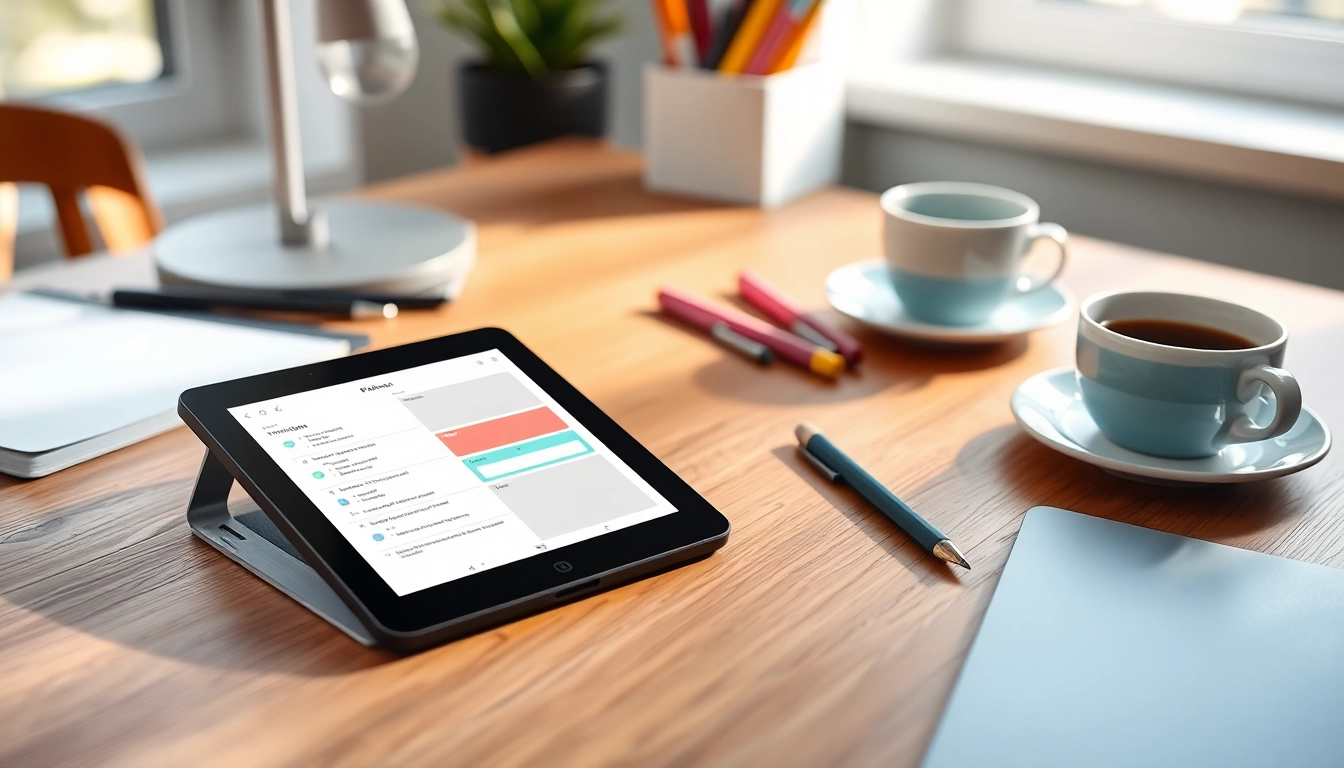
Understanding Planners for Kindle Scribe
The evolution of digital planners has transformed the way individuals organize their tasks, appointments, and goals. Among these innovative tools, Kindle Scribe stands out as a versatile platform that enhances the planning experience. By integrating the tactile sensation of writing with the conveniences of digital technology, it allows users to craft personalized planners that evolve with their needs. Whether you are a student, a busy professional, or someone managing various life aspects, Planners for Kindle Scribe can significantly boost productivity by providing structured methods to manage responsibilities effectively.
The Importance of Digital Planning
Digital planning offers numerous advantages over traditional paper planners. For one, it provides a seamless way to organize tasks, set deadlines, and visualize schedules without the bulk of physical notebooks. Using planners on Kindle Scribe facilitates quick edits, easy rescheduling, and incorporation of digital resources like images and hyperlinks. Furthermore, digital planners can be synced across devices, ensuring that your plans are accessible whenever needed. This accessibility fosters a dynamic and adaptable approach to planning that aligns perfectly with modern lifestyles.
Key Features to Look For
When choosing a planner for Kindle Scribe, it's crucial to consider specific features that enhance usability and effectiveness. Key features include:
- Customizability: The ability to modify pages, add new templates, or adjust formats according to personal preferences is critical for creating a planner that truly fits individual needs.
- Hyperlink Functionality: Planners that support hyperlinks allow users to quickly navigate sections, track tasks, or access important resources seamlessly.
- Multifunctionality: Look for planners that offer features such as habit tracking, goal setting, and note-taking capabilities, which can help streamline various aspects of life into a single tool.
- Visual Appeal: An attractive layout encourages usage; hence, planners with thoughtful designs can enhance motivation and engagement.
Popular Formats for Digital Planners
Digital planners can come in a variety of formats, each serving different needs. Some popular formats for planners optimized for Kindle Scribe include:
- Daily Planners: These focus on individual days, allowing users to break tasks down into manageable daily objectives.
- Weekly Planners: Weekly planners provide an overview of tasks and appointments for the entire week, making it easier to balance multiple commitments.
- Monthly Planners: These are great for long-term goal tracking and important dates, giving a broader view of tasks and deadlines.
- Custom Planners: Users can design their own planners to include specific features or layouts that cater to unique needs.
Setting Up Your Planner on Kindle Scribe
How to Download and Upload Planners
Getting started with a planner on Kindle Scribe involves a straightforward process. First, ensure that you have the necessary planner files in compatible formats (typically PDF). Here's how to do it:
- Download the Planner: Access your planner file through email or download it from a provider online. Make sure it's saved in the correct format compatible with Kindle.
- Upload to Your Kindle Scribe: Open the library app on your Kindle Scribe, select the planner file, and follow the prompts to upload it. Ensure you're keeping the original size for optimal usage.
- Open Your Planner: After the upload completes, find your planner in the library, open it, and you're ready to start planning digitally!
Customizing Your Planner Experience
One of the most significant benefits of using a digital planner on Kindle Scribe lies in customization. Here are a few ways to tailor your planner:
- Theme Selection: Choose a visual theme that resonates with your personal style; this can enhance motivation and engagement.
- Personalized Templates: Create or download templates that fit your lifestyle—be it health trackers, academic schedules, or meals planning.
- Incorporate Graphics: Use drawings or stickers to add a personal touch to planning, making the pages lively and encouraging regular use.
- Adjust Layouts: Customize the layout of your pages to suit your workflow, whether it’s through adding additional sections or rearranging elements for better visibility.
Using Hyperlinks and Indexes Effectively
Hyperlinks can tremendously improve user experience when navigating through planners. Here’s how to maximize their effectiveness:
- Create a Table of Contents: Including a clickable table of contents can streamline access to various sections of your planner, facilitating quick navigation.
- Utilize Links for Resources: Incorporate links to external resources directly into your planner to access information quickly without needing to switch applications.
- Task Tracking: Use hyperlinks to connect tasks with projects or relevant notes, which helps maintain organization and clarity.
Best Practices for Maximizing Planner Efficiency
Daily Planning Tips to Stay Focused
To maintain maximized productivity with your planner, follow these actionable daily tips:
- Set a Consistent Time: Dedicate a specific time each day to review and plan your tasks, enhancing discipline and focus.
- Prioritize Tasks: Use methods like the Eisenhower Box or ABC prioritization technique to decide which tasks need immediate attention.
- Limit Daily Tasks: Aim for a manageable list (3 to 5 key tasks) each day to avoid overwhelm and enhance accountability.
- Reflect and Adjust: Take time to reflect on daily progress and adjust future plans accordingly to ensure continuous improvement.
Integrating Work and Personal Life
Maintaining a balance between work and personal life is essential for overall well-being. Use these strategies to integrate both domains into your planner:
- Color Coding: Use different colors for work and personal tasks, visually distinguishing them for better organization.
- Combine Activities: Plan social events or personal time after work-related tasks to ensure that both areas are equally valued.
- Weekly Reviews: Check in on both areas during weekly reviews to ensure you're not neglecting personal goals or obligations.
Reviewing and Adjusting Your Planning Strategies
Periodic reviews of your planner can identify potential adjustments to improve your productivity:
- Weekly Check-ins: Allocate time each week to go through what you accomplished, evaluate any unfinished tasks, and strategize for the next week.
- Monthly Assessments: Conduct monthly evaluations to review long-term goals, adjusting plans and priorities as necessary.
- Feedback Loops: Establish a system to receive feedback on areas for improvement, ensuring a continuous evolution of your planning process.
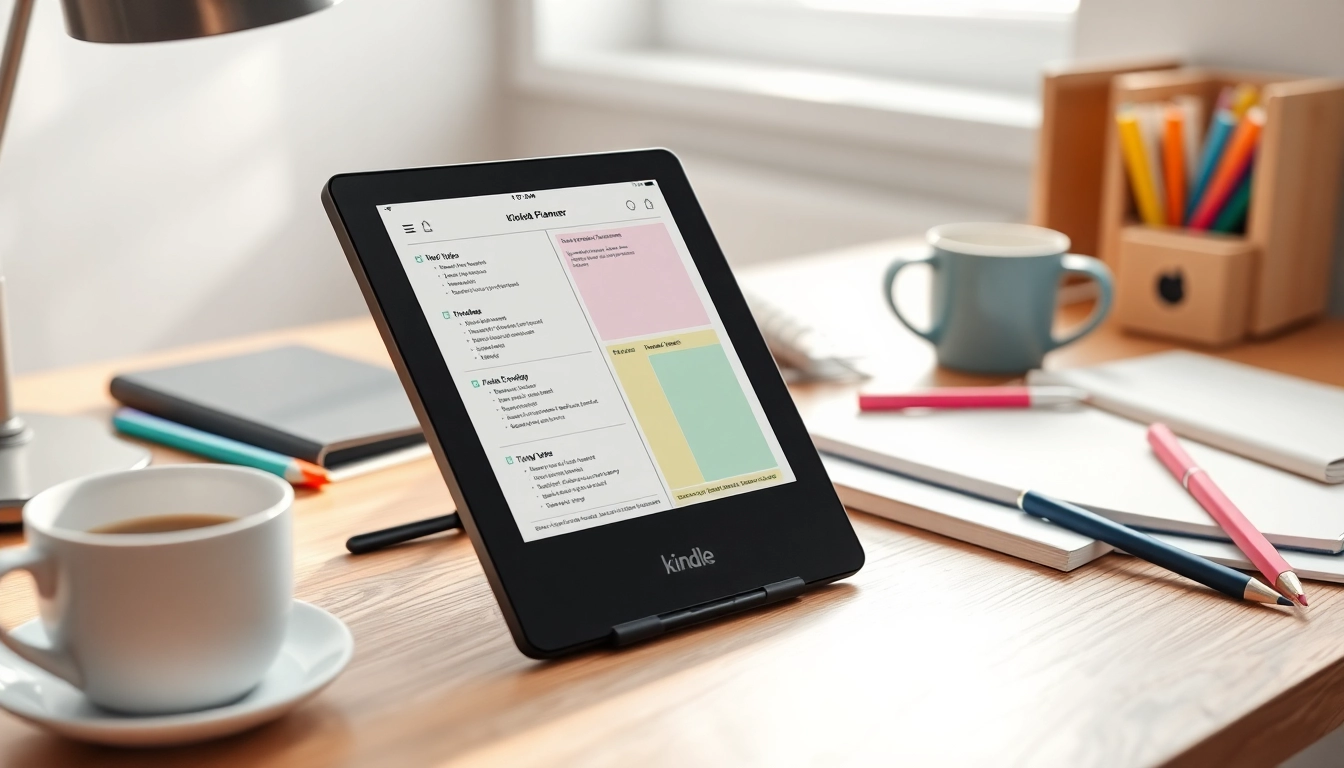
Popular Planner Designs for Kindle Scribe
Minimalist vs. Detailed Planners
Choosing between a minimalist or detailed planner can significantly impact your planning experience. Here’s a breakdown to help you decide:
- Minimalist Planners: Simple designs focusing on core functionalities aid in reducing clutter and distractions. Ideal for users who thrive on simplicity and directness.
- Detailed Planners: These incorporate various sections, prompts, and tools, making them suitable for those who benefit from extensive structure and guidance throughout their tasks.
Yearly vs. Monthly Layouts
The layout chosen can affect how effectively you plan:
- Yearly Layouts: Useful for setting overarching goals and deadlines, they provide a macro view of the year ahead but may lack the specificity needed for day-to-day planning.
- Monthly Layouts: These are more focused on immediate needs, making it easier to plan tasks, appointments, and goals relevant to a shorter timeframe.
Examples of Popular Planner Styles
There are various styles of planners that prove to be effective for those using Kindle Scribe:
- The Bullet Journal Style: Known for its flexibility, it allows users to create a layout that suits them best, mixing drawing with writing.
- Goal-Oriented Planners: Focusing primarily on setting and tracking specific goals, these planners help individuals stay aimed at what they want to achieve.
- Traditional Daily Planners: These maintain a classic approach to scheduling tasks and events and are often straightforward without overwhelming features.
Frequently Asked Questions about Planners for Kindle Scribe
What types of planners can be used on Kindle Scribe?
Kindle Scribe users can utilize various digital planners, including daily, weekly, and monthly planners, as well as specialized templates tailored to personal or professional needs.
Can I create my own planner on Kindle Scribe?
Yes! Users can create custom planners by designing layouts, adding sections, and incorporating unique templates that cater specifically to their planning style.
How do I share my planner with others?
Your planner can typically be shared via email or cloud storage services. Ensure you save it in a compatible format for the recipient's device.
Are there free planner templates available?
Yes, various platforms offer free planner templates compatible with Kindle Scribe, allowing users to start planning without additional costs.
How can I integrate notes into my planner?
You can integrate notes by adding designated sections within your planner or using digital sticky notes for quick jots, ensuring they remain organized and accessible.