
Introduction to Stable Research Materials
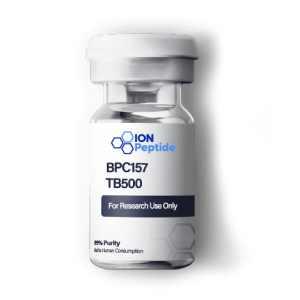
In modern scientific laboratories, the importance of stable and reliable research materials cannot be overstated. Stability in composition is a key factor that determines the accuracy and reproducibility of experimental outcomes. Among the compounds frequently discussed in controlled research environments is BPC157+TB500, which is often examined for its consistent formulation and laboratory applicability. Researchers depend on BPC157+TB500 to maintain uniform characteristics across multiple studies, ensuring that experimental variables remain controlled and predictable.
The emphasis on stability is rooted in the need to eliminate inconsistencies that could compromise results. When BPC157+TB500 is prepared and stored under strict conditions, it becomes a dependable component in research workflows, allowing scientists to focus on analysis rather than variability.
Understanding Composition Stability in Laboratories
The Concept of Chemical Consistency
Composition stability refers to the ability of a compound to retain its chemical structure and properties over time. In laboratory settings, this is particularly important for compounds like BPC157+TB500, where even minor deviations can influence experimental outcomes. Stability ensures that each sample behaves in the same manner under identical conditions, which is essential for comparative analysis.
BPC157+TB500 is typically handled with precision to preserve its structural integrity. Laboratories employ standardized procedures to minimize exposure to environmental factors that could alter the compound. These practices contribute to maintaining the consistency required for high-quality research.
Factors Affecting Stability
Several factors can impact the stability of research materials, including temperature, humidity, light exposure, and handling techniques. BPC157+TB500 must be protected from these variables through controlled storage and careful manipulation. Laboratories often use specialized equipment to monitor environmental conditions, ensuring that BPC157+TB500 remains within acceptable parameters.
By controlling these factors, researchers can extend the usable life of BPC157+TB500 and maintain its reliability. This approach not only enhances experimental accuracy but also supports efficient resource management within the laboratory.
Production Standards and Quality Control
Ensuring Uniform Composition
The production of stable research materials requires adherence to strict manufacturing standards. BPC157+TB500 is typically synthesized and processed under controlled conditions to achieve uniform composition. Quality control measures are implemented at every stage of production to verify that the compound meets predefined specifications.
These measures include analytical testing, batch verification, and documentation of production processes. By maintaining rigorous standards, laboratories can ensure that BPC157+TB500 remains consistent across different batches, reducing the risk of variability in research outcomes.
Role of Analytical Testing
Analytical testing plays a critical role in confirming the stability of BPC157+TB500. Techniques such as high-performance liquid chromatography and mass spectrometry are used to assess the composition and purity of the compound. These methods provide detailed insights into the molecular structure of BPC157+TB500, allowing researchers to verify its stability.
Regular testing ensures that any deviations are identified and addressed promptly. This proactive approach helps maintain the integrity of BPC157+TB500 and supports the overall reliability of laboratory research.
Storage and Handling Practices
Controlled Storage Environments
Proper storage is essential for preserving the stability of research materials. BPC157+TB500 is typically stored in temperature-controlled environments that prevent degradation. Refrigeration units, sealed containers, and light-resistant packaging are commonly used to protect the compound from external influences.
Monitoring systems are often integrated into storage facilities to provide real-time data on environmental conditions. This allows laboratories to respond quickly to any changes that could affect the stability of BPC157+TB500.
Safe Handling Procedures
Handling procedures are designed to minimize contamination and maintain the integrity of BPC157+TB500. Researchers use protective equipment and follow standardized protocols when working with the compound. These procedures include precise measurement techniques, proper labeling, and thorough documentation.
By adhering to these practices, laboratories can ensure that BPC157+TB500 remains stable throughout its use. This level of care is essential for maintaining the accuracy and reproducibility of experimental results.
Importance of Stability in Experimental Accuracy
Reproducibility of Results
One of the primary goals of scientific research is to produce results that can be replicated by other researchers. Stability in composition is a key factor in achieving this goal. BPC157+TB500 provides a consistent foundation for experiments, allowing scientists to reproduce their findings with confidence.
When BPC157+TB500 maintains its stability, it reduces the likelihood of unexpected variations in experimental outcomes. This consistency is crucial for validating hypotheses and advancing scientific knowledge.
Minimizing Experimental Errors
Unstable materials can introduce errors that compromise the validity of research. By using stable compounds like BPC157+TB500, laboratories can minimize these risks. Consistent composition ensures that any observed effects are due to the experimental variables rather than inconsistencies in the material itself.
This level of reliability enhances the credibility of research findings and supports the development of accurate scientific conclusions.
Technological Innovations Supporting Stability
Advanced Monitoring Systems
Technological advancements have significantly improved the ability to maintain stable research materials. Automated monitoring systems track environmental conditions and provide alerts when deviations occur. These systems are particularly valuable for managing compounds like BPC157+TB500, where stability is critical.
By leveraging technology, laboratories can maintain precise control over storage and handling conditions, ensuring that BPC157+TB500 remains consistent over time.
Automation in Laboratory Processes
Automation has also streamlined the handling and analysis of research materials. Robotic systems and digital tools reduce the potential for human error, contributing to the stability of BPC157+TB500. Automated processes ensure that procedures are carried out consistently, further enhancing the reliability of experimental results.
These innovations represent a significant step forward in laboratory management, allowing researchers to focus on analysis and interpretation rather than routine tasks.
Regulatory and Ethical Considerations
Compliance with Standards
Laboratories must adhere to regulatory guidelines that govern the use of research materials. BPC157+TB500 is subject to these regulations, which are designed to ensure safe and responsible handling. Compliance involves maintaining detailed records, conducting regular audits, and following established protocols.
By meeting these requirements, laboratories demonstrate their commitment to ethical research practices and maintain the credibility of their work.
Ethical Responsibility in Research
Ethical considerations are an integral part of scientific research. The use of BPC157+TB500 must align with principles of integrity, transparency, and accountability. Researchers are responsible for ensuring that their work is conducted in a manner that respects these values.
This includes accurate reporting of results, proper documentation, and adherence to approved methodologies. Ethical practices contribute to the overall trustworthiness of scientific research and support the advancement of knowledge.
Future Perspectives on Stable Research Materials
Continuous Improvement in Standards
The field of laboratory research is constantly evolving, with ongoing efforts to improve the stability and reliability of research materials. BPC157+TB500 represents a category of compounds that will benefit from these advancements. Researchers are exploring new techniques and technologies to enhance stability and ensure consistent performance.
These efforts are driven by the need for more accurate and reproducible results, which are essential for scientific progress.
Expanding Applications in Research
As stability improves, the potential applications of compounds like BPC157+TB500 continue to expand. Researchers are able to explore new areas of study with greater confidence, knowing that their materials are reliable. This opens the door to innovative experiments and discoveries that contribute to a deeper understanding of complex systems.
The ongoing development of stable research materials is a key factor in the advancement of science, providing the foundation for future breakthroughs.
Conclusion
Stable composition is a fundamental requirement for effective laboratory research. BPC157+TB500 exemplifies the importance of consistency, reliability, and precision in scientific studies. By maintaining strict standards for production, storage, and handling, laboratories can ensure that this compound remains a dependable resource for experimentation.
The focus on stability not only enhances the quality of individual studies but also supports the broader goals of scientific inquiry. As technology and methodologies continue to advance, the ability to maintain stable research materials like BPC157+TB500 will remain a cornerstone of successful laboratory practices.