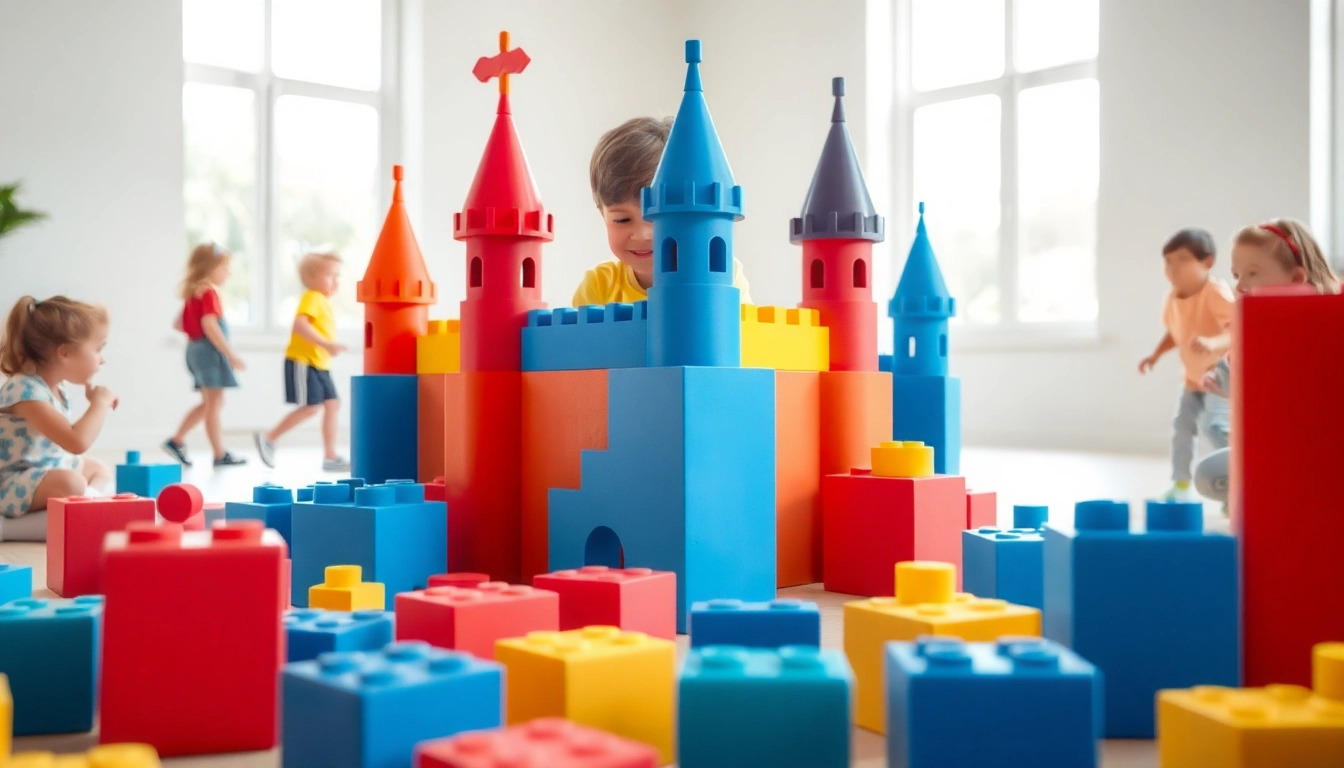
Introduction to Giant Foam Blocks
Imagine a world where children can unleash their creativity and build magnificent structures, all while engaging in play that fosters cognitive and physical development. Giant foam blocks offer just that—a versatile and safe medium for children of various ages to explore their imaginative capabilities. These colorful, oversized building blocks allow kids to construct everything from towering castles to expansive cities, making them an exceptional choice for interactive play. If you are looking for ways to enrich your child’s playtime experiences, find out more about these dynamic toys and their impact on learning outcomes.
What Are Giant Foam Blocks?
Giant foam blocks are large, lightweight building components made from soft, durable foam. They come in various shapes, sizes, and colors, providing endless opportunities for creative construction. Unlike traditional wooden or plastic blocks, foam blocks offer a soft surface that is safe for indoor and outdoor use, reducing the risks of injury during play. These blocks can be easily stacked, knocked over, and rearranged, allowing children to experiment with balance and design without the fear of injury.
Benefits of Playing with Foam Blocks
Engaging with foam blocks benefits children in numerous ways. Firstly, they promote physical activity, enhancing gross motor skills as children lift, stack, and move the blocks. Secondly, foam blocks stimulate cognitive development by encouraging problem-solving and critical thinking as kids figure out how to create stable structures. Furthermore, they foster social interaction when children collaborate to build, share ideas, and negotiate during group play. Lastly, interactive play with foam blocks nurtures creativity and imagination, allowing children to express their artistic visions freely.
How Foam Blocks Contribute to Development
The use of foam blocks plays a vital role in holistic child development. As children engage in block play, they learn essential skills such as spatial awareness, hand-eye coordination, and fine motor skills. When designing complex structures, they practice mathematical concepts such as symmetry and balance, which can later translate into academic skills in geometry and physics. Additionally, playtime with foam blocks fosters emotional intelligence, as children learn to manage frustration during construction challenges and enjoy the sense of accomplishment when their creations come to life. Overall, these blocks serve as more than just toys; they are valuable tools for enhancing various aspects of development.
Choosing the Right Foam Block Set
When selecting foam block sets, it's crucial to consider a few key factors to ensure they meet the developmental needs and preferences of your child.
Size Matters: Finding the Right Dimensions
The size of foam blocks dramatically influences the type of play and structures children can create. Larger blocks can be advantageous for younger children, allowing them to easily manipulate and stack them, while smaller blocks may suit older, more dexterous children who can handle detailed construction. A well-balanced set that includes varying sizes offers flexibility and encourages diverse creative projects.
Material Safety Standards to Consider
Safety is paramount when choosing foam blocks for children. Look for sets that comply with safety standards such as ASTM and CPSC regulations. Ensure that the foam is non-toxic, free from harmful chemicals like phthalates, and has undergone rigorous testing for durability. Opting for high-quality materials reinforces the longevity of the blocks, allowing them to withstand repeated use and rough handling by energetic kids.
Best Color Combinations for Engagement
Color plays a significant role in children's engagement with toys. Vibrant color combinations stimulate the visual senses and enhance creativity. When selecting foam block sets, consider those that offer a mix of colors, as this not only captivates children's attention but also aids in early learning concepts such as color recognition and categorization. Sets that incorporate primary colors along with neon or pastel tones provide broader aesthetic possibilities, allowing for diverse creative expressions.
Creative Play Ideas with Foam Blocks
Foam blocks are versatile toys that can inspire countless imaginative scenarios. Here are some exciting ideas to spark creativity:
Building Structures: Tips for Imaginative Play
Encourage children to construct different types of structures by providing them with prompts based on various architectural themes. For instance, they could recreate famous buildings, design their dream homes, or even construct an imaginary world such as a space colony. Guide them to think about stability and balance, introducing concepts of engineering in a playful context. If desired, set challenges such as building the tallest tower within a specific time frame to add an element of competition!
Incorporating Themes and Storytelling
Themed play can make block building even more engaging. Encourage children to create settings for their favorite stories or invent new narratives with their structures. For example, they might build a fort for sheltering superheroes or assemble structures to represent scenes from a beloved fairy tale. Integrating storytelling into block play promotes language development and enhances narrative skills, making the experience richer and more educational.
Collaborative Games for Group Play
Foam blocks are ideal for group play. Organize activities where children work together to design large structures or compete in friendly challenges. Activities like team relay races to build a structure or collaboratively constructing a city can foster teamwork and communication skills. Offer incentives for creative designs or speed to encourage engagement and camaraderie among participants. Group projects not only enhance social skills but also teach children the value of cooperation.
Maintaining and Storing Foam Blocks
To ensure the longevity and cleanliness of foam block sets, proper maintenance and storage practices are essential.
Cleaning Techniques for Longevity
Regular cleaning helps maintain the appearance and hygiene of foam blocks. Wipe down the surface of the blocks with a damp cloth and mild soap solution to remove dirt and germs. Avoid using harsh chemicals, which can deteriorate the foam material. For deep cleaning, gentle disinfectants safe for children can be used sparingly. Allow the blocks to air dry completely before storing them, preventing moisture accumulation and mold growth.
Space-Saving Storage Solutions
Due to their size, storing foam blocks can become a challenge. Consider implementing vertical storage solutions, such as shelves or bins, that maximize space and keep blocks easily accessible. Alternatively, designating a dedicated playroom area with a soft mat can provide a safe environment for both play and storage. It’s also helpful to incorporate storage that allows children to organize blocks by size or color, promoting responsibility and tidiness in play areas.
Encouraging Kids to Help with Maintenance
Teach children the importance of caring for their toys by involving them in the maintenance process. Create a fun routine where kids assist in cleaning, organizing, and storing their blocks after play sessions. This not only emphasizes responsibility but also instills a sense of accomplishment. Encourage them to keep the play area tidy, fostering lifelong habits of organization and care for their belongings.
Frequently Asked Questions
What age group is suitable for foam blocks?
Foam blocks are typically suitable for children aged 1 and up. Younger toddlers can use larger blocks, while older kids can utilize smaller sizes for more complex building tasks.
Are foam blocks safe for indoor use?
Yes, foam blocks are designed for indoor use. They are lightweight and soft, making them safe for children to play with while minimizing the risk of injury.
How can I promote creativity with foam blocks?
Encourage open-ended play where children can build freely, suggest themed structures, and incorporate storytelling into their creations to enhance creative expression.
Can foam blocks be used outside?
Yes, foam blocks can be used outdoors as long as they are cleaned after use and stored properly to prevent wear from elements like moisture and sun exposure.
What are the best brands of foam blocks?
Several quality brands offer foam blocks; however, it's essential to focus more on safety standards and material quality than brand names. Look for non-toxic, safe options suitable for children.