Importance of Screen-Free Play
In today's digital age, children are exposed to screens from an early age. While technology offers some benefits, it is essential to balance screen time with opportunities for screen-free play. Engaging in physical play has been shown to benefit children's development significantly. Screen-free playtime allows children to explore their surroundings, develop essential skills, and foster meaningful connections with others. For ideas on toys that promote such play, you can visit the website.
Benefits for Child Development
The impact of screen-free play on child development is multi-faceted. Research indicates that such play encourages cognitive growth, enhances problem-solving skills, and bolsters social relationships. Children involved in imaginative play learn to navigate complex social dynamics, communicate effectively, and develop empathy. These experiences are crucial for building emotional intelligence and resilience against stress, as they provide safe spaces for children to experiment, fail, and learn.
Enhancing Fine Motor Skills
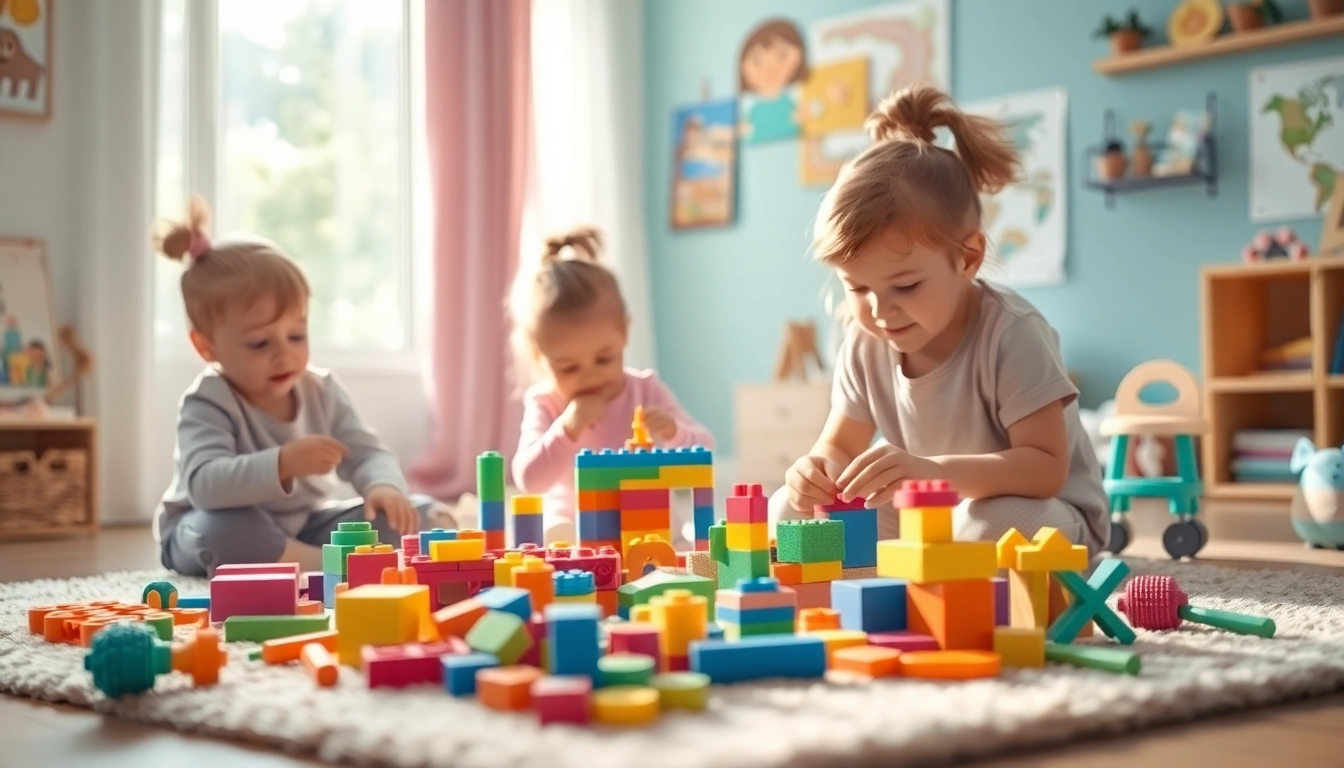
Screen-free activities, especially those involving manipulation of tangible objects, are pivotal for developing fine motor skills. Activities like building with blocks, threading beads, or using scissors help strengthen hand-eye coordination and dexterity. These skills are foundational not only for everyday tasks, such as writing or buttoning clothing, but also for more complex tasks in the future. Children learn through trial and error while engaged in hands-on play, refining their movements and boosting their confidence.
Encouraging Creativity and Imagination
One of the greatest gifts of screen-free play is the freedom and space it provides for creativity and imagination. When children are not confined to the narrative of a video game or a structured television show, they can create their own stories and worlds. This open-ended play fosters innovation and allows for the exploration of unique ideas. Crafting, improvisational play, and building activities serve as excellent avenues for expressing oneself freely, which is crucial for individual growth and self-discovery.
Top Picks for Screen-Free Toys
Building and Construction Sets
Building and construction sets are excellent screen-free toys, promoting creativity while honing engineering skills. These sets encourage strategic thinking as children figure out how to construct stable structures. From traditional LEGO blocks to magnetic tiles, options abound for varying age ranges. They stimulate spatial awareness, enhance problem-solving abilities, and lead to the development of planning skills—all while keeping kids engaged and entertained.
Arts and Crafts Materials
Arts and crafts materials open the door to endless creative possibilities. Items such as markers, colored pencils, paper, clay, and natural materials can foster an artistic spirit in children. This hands-on engagement not only enhances fine motor skills but also allows children to express their emotions, ideas, and perspectives creatively. Projects ranging from simple coloring to complex sculpture creation enable children to explore their interests and boost their confidence in artistic endeavors.
Puzzles and Problem-Solving Games
Puzzles are timeless toys that provide cognitive stimulation while being fun and engaging. They serve as excellent tools for developing critical thinking and spatial reasoning skills. Depending on the age and ability of the child, puzzles can vary from large-piece jigsaw puzzles to challenging brain teasers. Problem-solving games, including board games or logic games, also contribute significantly by teaching strategy, patience, and taking turns—all essential social skills.
Incorporating Learning into Play
STEM-Based Screen-Free Toys
STEM (Science, Technology, Engineering, and Mathematics) toys are designed to promote an early interest in these fields through engaging and hands-on experiences. Activities such as chemistry kits, nature exploration tools, or robotics kits encourage children to inquire, experiment, and discover. These toys provide practical learning opportunities wrapped in fun, helping to instill a sense of wonder about the world. Moreover, they help develop skills that are crucial not just in education but in everyday problem-solving.
Literacy and Language Development
Literacy development can flourish through play when children are given access to books, storytelling toys, and language games. Engaging with picture books or puppet shows encourages language acquisition and inspires children to communicate effectively. Early literacy experiences through playful activities build foundational skills for reading and writing, helping children develop a love for stories and knowledge that will benefit them throughout their academic journey.
Social Skills Through Collaborative Play
Collaborative play significantly impacts social skills development. When children engage in group activities like team games, crafts, or group building projects, they learn essential interpersonal skills. They learn to communicate ideas, share resources, negotiate roles, and resolve conflicts. As they navigate these interactions, they build relationships and enhance empathy, crucial for successful social integration both in childhood and later life.

Best Practices for Screen-Free Playtime
Creating an Inviting Play Environment
A well-designed play environment encourages children to engage in screen-free activities. Organizing a designated play area filled with various toys and materials can entice children to explore their interests. The environment should be safe, accessible, and appropriately challenging, allowing children to be independent while also fostering curiosity. Additionally, including elements of nature indoors, such as plants or natural light, can enhance their sensory experience.
Setting Balanced Playtime Limits
While screen-free play is beneficial, balancing playtime is crucial. Establishing a routine that includes both structured and unstructured play can help children understand the value of time management and expectations. Providing guidelines on play duration, encouraging self-regulation, and emphasizing the importance of breaks can lead to more productive and engaged playtime experiences for children.
Engaging with Your Child During Play
Parents should actively participate in screen-free playtime to maximize its benefits. Engaging with children while playing can enhance their interest and deepen emotional connections. Play together, ask open-ended questions, and allow them to take the lead. This interaction not only enriches their experience but also allows for teaching moments where adult guidance can translate into valuable life lessons.
Frequently Asked Questions
What age is suitable for screen-free toys?
Screen-free toys are suitable for children of all ages. It's crucial to select age-appropriate toys that align with developmental milestones and interests.
How can screen-free play benefit my child?
Screen-free play enhances cognitive skills, creativity, social interaction, and physical development, contributing to well-rounded child growth.
Are there any safety concerns with these toys?
While most screen-free toys are safe, always supervise play, check for age recommendations, and ensure toys are made from non-toxic materials.
How can I encourage my child to play without screens?
Introduce engaging screen-free toys, set limits on screen time, and lead by example by participating in creative play activities.
What types of screen-free toys are recommended?
Recommended screen-free toys include building sets, puzzles, arts and crafts materials, and cooperative board games to foster various skills.