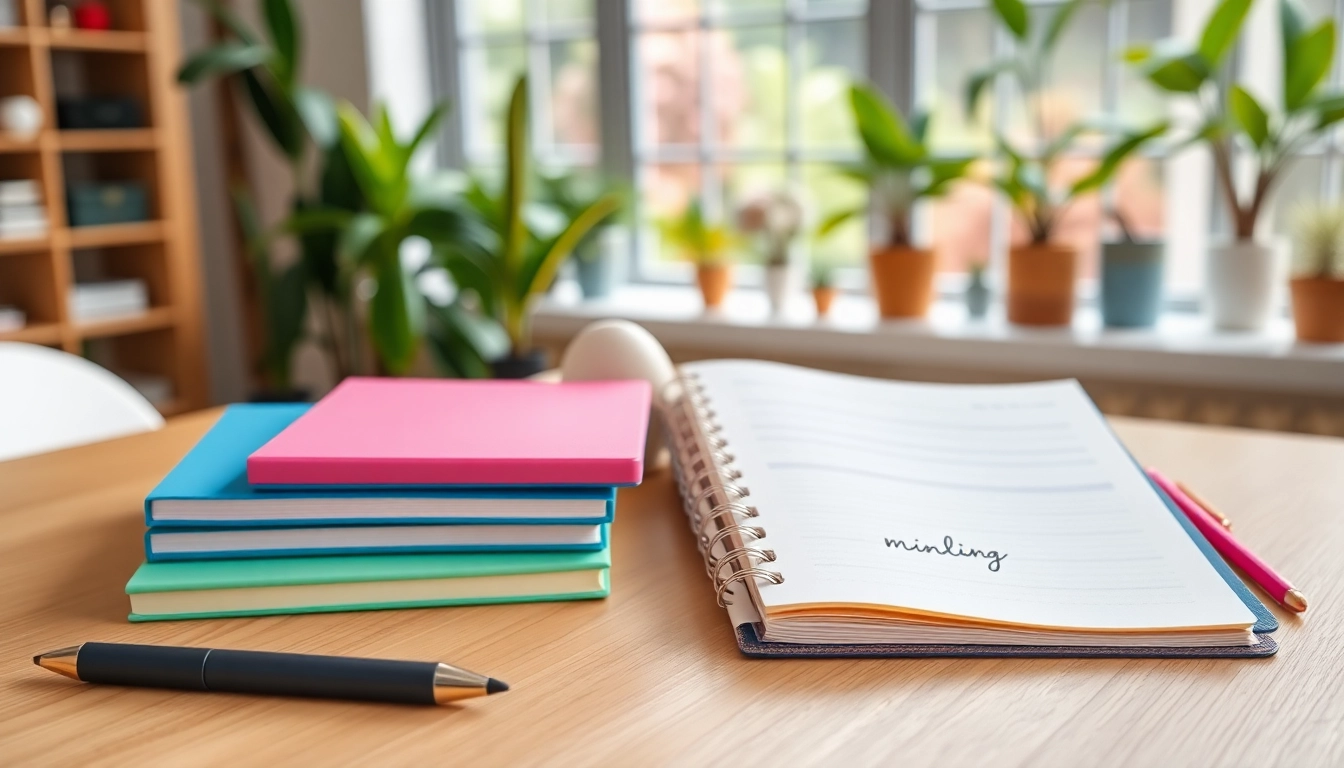
Understanding Stylus-Friendly Planners
What Are Stylus-Friendly Planners?
Stylus-friendly planners are specially designed to accommodate writing and drawing with a stylus, allowing users to navigate digital and hybrid formats. These planners offer unique features that can aid in productivity and creativity. They are not just for digital devices; they also complement traditional paper planning by providing a tactile experience that complements digital input. With their smooth surfaces and specific paper types, they combine the best of both worlds for users who love to plan on paper but also want the flexibility of electronic devices. For those looking to enhance their organizational skills, Stylus-Friendly Planners are an essential tool.
The Benefits of Using Stylus-Friendly Planners
Utilizing stylus-friendly planners brings numerous benefits that cater to various personal and professional needs:
- Increased Flexibility: These planners allow for transitions between writing, drawing, and organizing digitally.
- Improved Precision: The use of a stylus leads to more precise writing and drawing than traditional pen-on-paper methods.
- Enhanced Creativity: Users can integrate sketches and visuals easily, helping to enhance creative processes.
- Customization: Many stylus-friendly planners offer options for personalized layouts, colors, and designs, allowing users to create a planning system that suits their style.
- Convenient Recording and Retrieval: Digital formats allow for easy storage and retrieval of notes, making them ideal for quick referencing.
Key Features to Look for
When selecting a stylus-friendly planner, consider these key features to optimize your planning experience:
- Paper Quality: Look for smooth, bleed-resistant paper that feels good under the stylus and allows for easy writing.
- Layout Options: Choose planners that offer various layouts (weekly, monthly, daily) to suit different planning needs.
- Compatibility: Ensure that your stylus is compatible with the planner design for seamless operation across devices.
- Binding Type: Decide on a binding style (spiral, hardcover, or softcover) that aligns with your preferences for durability and usability.
- Portability: Select a size that can be conveniently carried to fit your on-the-go lifestyle.
Choosing the Right Stylus-Friendly Planner for You
Vegetable Vs. Synthetic Paper
One of the primary considerations in selecting a stylus-friendly planner is the choice between vegetable and synthetic papers.
- Vegetable Paper: This paper type is eco-friendly and generally has a noticeable texture, which can provide a different feel when writing. While it absorbs ink well, it may sometimes lead to smudging or bleed-through if a heavier stylus is used.
- Synthetic Paper: A synthetic option often allows for smoother writing and is generally more resistant to tearing or water damage. This choice is ideal for users who write heavily or utilize stylus pens with a significant amount of pressure.
Size and Layout Considerations
Choosing the right size and layout is crucial to ensure that your planner serves your specific needs:
- Size Options: Standard sizes include A4, A5, and personal. Consider where you will use the planner most and select a size that fits your lifestyle.
- Layout Preferences: Determine whether you prefer a daily, weekly, or monthly layout. Daily layouts are great for those with many tasks, while monthly layouts can help with broader planning and goal-setting.
Common Uses and Activities
Stylus-friendly planners can be used for various activities, including:
- Academic Planning: Students can track assignments, deadlines, and exam schedules effectively.
- Professional Scheduling: Professionals can manage meetings, tasks, and project timelines efficiently.
- Creative Projects: Artists and designers can explore concepts and drafts within the same planner.
- Personal Organization: Use the planner for meal planning, habit tracking, or self-care routines.
Enhancing Your Notes with Stylus Pens
Best Pens for Stylus-Friendly Planners
The stylus you choose can greatly affect your experience with a planner. Look for pens that offer:
- Sensitivity: Select a stylus that is sensitive enough to respond accurately on the planner's surface.
- Comfort: A comfortable grip for extended use can enhance your writing experience.
- Inking Capability: Dual-function pens that provide traditional ink on paper and digital capabilities can be highly versatile.
Writing Techniques to Consider
Improve your planning experience by adapting different writing techniques, such as:
- Mind Mapping: Utilize stylus drawing techniques to create visual representations of ideas and tasks.
- Cursory Notes: Use quick and legible notation to capture thoughts without overcomplicating entries.
- Bullet Journaling: Combine creative sketches and symbols to represent tasks visually.
Color Coding Your Activities
Implementing a color coding system in your planner can streamline organization:
- Color Categories: Assign colors to different tasks, priorities, or projects, allowing for quick visual identification.
- Color Psychology: Use color psychology to affect mood and productivity. For instance, blue can instill calm, while yellow can energize.
Planning Techniques and Strategies
Daily, Weekly, and Monthly Planning
Each type of planning offers unique advantages:
- Daily Planning: Focuses on short-term goals and tasks, allowing for detailed breakdowns of the day's activities.
- Weekly Planning: Encourages a broader overview of the week's activities, making it easier to balance personal and professional commitments.
- Monthly Planning: Ideal for setting long-term goals, deadlines, and events that require foresight.
Incorporating Goals and Reflection
Integrate goal setting and reflection into your planning routine by:
- Writing SMART Goals: Specific, Measurable, Achievable, Relevant, and Time-Bound goals will provide clarity and direction.
- Reflecting on Progress: Regularly review your goals and accomplishments to gain insight and make necessary adjustments.
Organizing with Themes and Colors
Thematic planning can enhance focus and creativity:
- Thematic Focus: Set weekly or monthly themes that align with your personal or professional goals.
- Color Coordination: Coordinate colors with themes to create a visually cohesive planner that resonates with your goals.
Frequently Asked Questions about Stylus-Friendly Planners
What is a stylus-friendly planner?
A stylus-friendly planner is designed to work well with stylus pens, offering smooth writing surfaces and layouts for effective planning and note-taking.
How do I choose a stylus pen?
Choose a stylus pen that offers sensitivity, comfort in grip, and the functionality that meets your specific planning needs, including digital compatibility.
Can I use any paper for stylus-friendly planners?
No, not all paper types are suitable. Look for high-quality, smooth, bleed-resistant paper designed to optimize stylus performance.
Are digital stylus-friendly planners available?
Yes, many digital applications offer stylus compatibility, allowing for seamless note-taking and planning across devices while retaining the feel of traditional planners.
What makes a planner good for writing?
A good planner for writing features high-quality paper, smooth writing surface, layout flexibility, and design elements that inspire creativity and motivation.