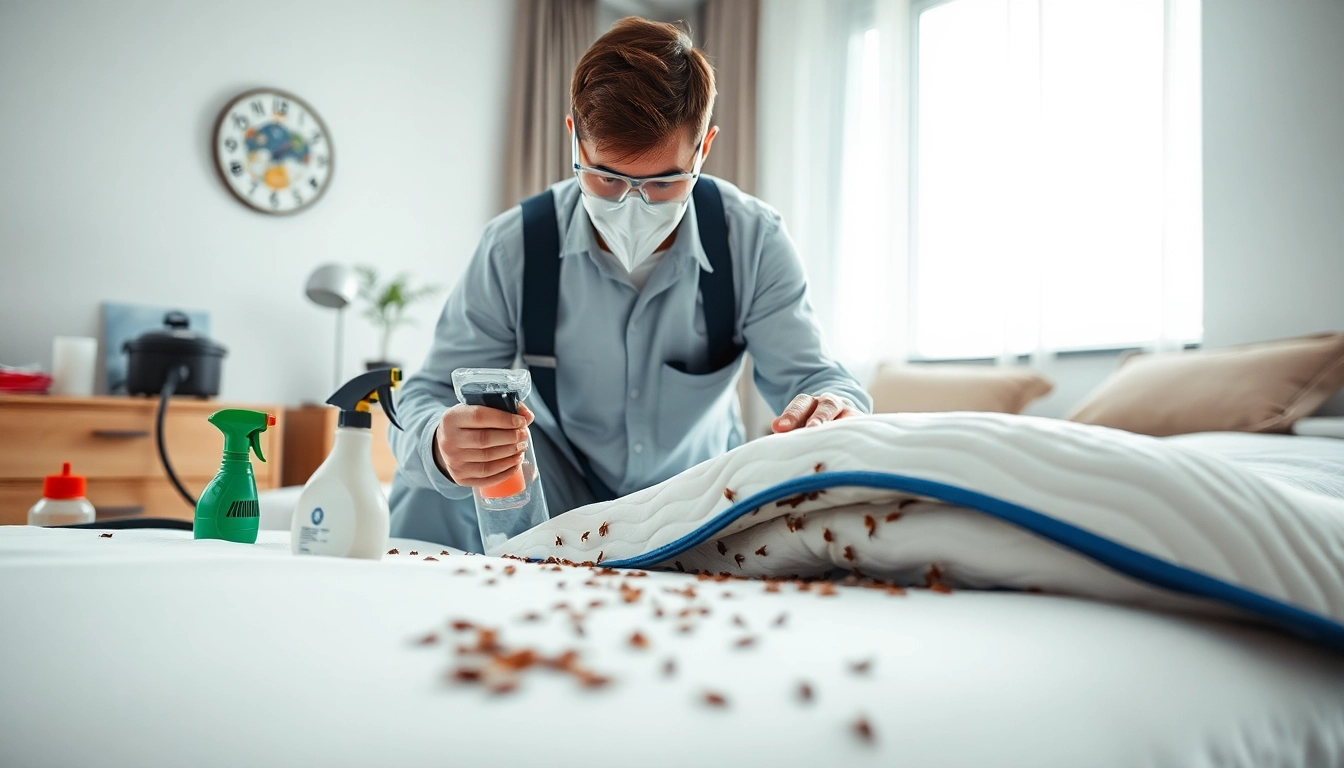
Understanding Bed Bugs and Their Behavior
What Are Bed Bugs?
Bed bugs, scientifically known as Cimex lectularius, are small, nocturnal insects that feed on the blood of humans and animals. With a flat, oval-shaped body, they can be as small as 1 millimeter and grow up to 7 millimeters long. Their color ranges from brown to reddish-brown, which darkens after feeding. These pests are notorious for their ability to reproduce rapidly, making them a persistent nuisance in homes and hotels.
How Bed Bugs Infest Your Home
Bed bugs primarily travel through personal belongings, luggage, clothing, and furniture. They are adept at hiding in tiny crevices, making homes their ideal environment. An infestation often begins when a few individuals are brought into the house, where under optimal conditions, they can multiply quickly. Their reproductive cycle can lead to a significant population within weeks, as female bed bugs can lay hundreds of eggs in a short period.
Signs of a Bed Bug Infestation
Early identification of bed bug infestations is crucial to effective treatment. Common signs include:
- Visible Bugs: Adult bed bugs and their eggs can sometimes be seen in the seams of mattresses, bed frames, and other furniture.
- Exoskeletons: As bed bugs mature, they shed their exoskeletons, which can often be found near their hiding spots.
- Red Spots: Small blood spots may appear on bedding or sheets after bed bugs feed.
- Itching and Bites: Bites on the skin, often in clusters, can signal their presence.
Preparing for Bed Bug Treatment
Cleaning Your Home Before Treatment
Before starting any bed bug treatment, thorough cleaning is essential. This process includes:
- Decluttering: Remove unnecessary items to minimize hiding spots.
- Washing Bedding: Wash bed linens, curtains, and clothing in hot water (at least 120°F).
- Vacuuming: Use a vacuum with a HEPA filter to clean mattresses, furniture, and floors. Dispose of the vacuum bag outside immediately after.
Identifying Infested Areas
It's vital to accurately identify areas of infestation before treatment. Common areas to inspect include:
- Mattresses and box springs
- Bed frames and headboards
- Carpets and baseboards
- Wall cracks and electrical outlets
Gathering Necessary Supplies
Preparation also involves gathering treatment supplies. Depending on the chosen method, you may need:
- Protective gear (gloves, masks)
- Pesticides or heat treatment equipment
- Encasements for mattresses and box springs
- Sealing bags for clothing and linens
Methods of Bed Bug Treatment
Heat Treatments and Their Benefits
Heat treatments have become a popular method for bed bug eradication. This technique involves raising the temperature in the infested area to a level that is lethal to bed bugs (approximately 120°F). The advantages include:
- Speed: Heat treatments can eliminate bed bugs in a single session.
- Effectiveness: All life stages, including eggs, can be killed with proper temperature control.
- No Residues: Unlike chemical treatments, heat does not leave harmful residues behind.
Using Chemical Treatments Effectively
Chemical treatments involve using pesticides designed to kill bed bugs. For effective chemical treatment:
- Choose Right Products: Use EPA-approved insecticides that are specific for bed bugs.
- Follow Instructions: It’s crucial to follow label directions for safe and effective usage.
- Apply Strategically: Focus on cracks, crevices, and other hiding spots where bed bugs might reside.
DIY Bed Bug Treatments: What Works?
While professional treatments are often the most effective, some DIY methods can complement them. Some approaches include:
- Essential Oils: Some oils like tea tree and lavender may repel bed bugs.
- Diatomaceous Earth: This natural powder can dehydrate bed bugs when applied in cracks and crevices.
- Vacuuming: Regularly vacuuming can help remove bed bugs and their eggs.
Post-Treatment Steps for Prevention
How to Monitor for Future Infestations
After treatment, it’s important to monitor the situation. Implement strategies such as:
- Regular Inspections: Examine your sleeping areas weekly to catch any resurgence.
- Bed Bug Monitoring Devices: Consider traps that alert you to bed bug activity.
Maintaining a Bed Bug-Free Home
To keep your home bed bug-free, practice preventative measures such as:
- Travel Precautions: Inspect your luggage after traveling and wash clothes promptly.
- Reduce Clutter: Keeping areas tidy minimizes hiding spots for bed bugs.
- Seal Cracks: Use caulk to seal any potential entry points for pests.
When to Call a Professional Exterminator
If your efforts fail to eradicate the infestation, consider enlisting a professional exterminator. Signs that you should call an expert include:
- Continuing bite marks
- Inability to find the source of the infestation
- Repeated infestations after treatment
Frequently Asked Questions about Bed Bug Treatment
How do you get rid of bed bugs quickly?
Vacuum daily, wash infested linens at high temperatures, and apply specific treatments to eliminate the infestation.
What is the cost of professional bed bug treatment?
The cost varies significantly based on the infestation severity, typically ranging from $100 to $2,500, depending on treatment type.
Are natural remedies effective for bed bug treatment?
Natural remedies may deter bed bugs but are typically less effective than targeted professional treatments and should complement comprehensive strategies.
How long does bed bug treatment take?
The duration of treatment largely depends on infestation severity; it may require several treatments over weeks for complete eradication.
Can bed bugs be completely eliminated?
Yes, with diligent treatment and monitoring, it is possible to completely eradicate bed bugs from your living space.
For further assistance in addressing bed bug issues, you can explore effective bed bug treatment options tailored to your needs.