Understanding House Washing
What is House Washing?
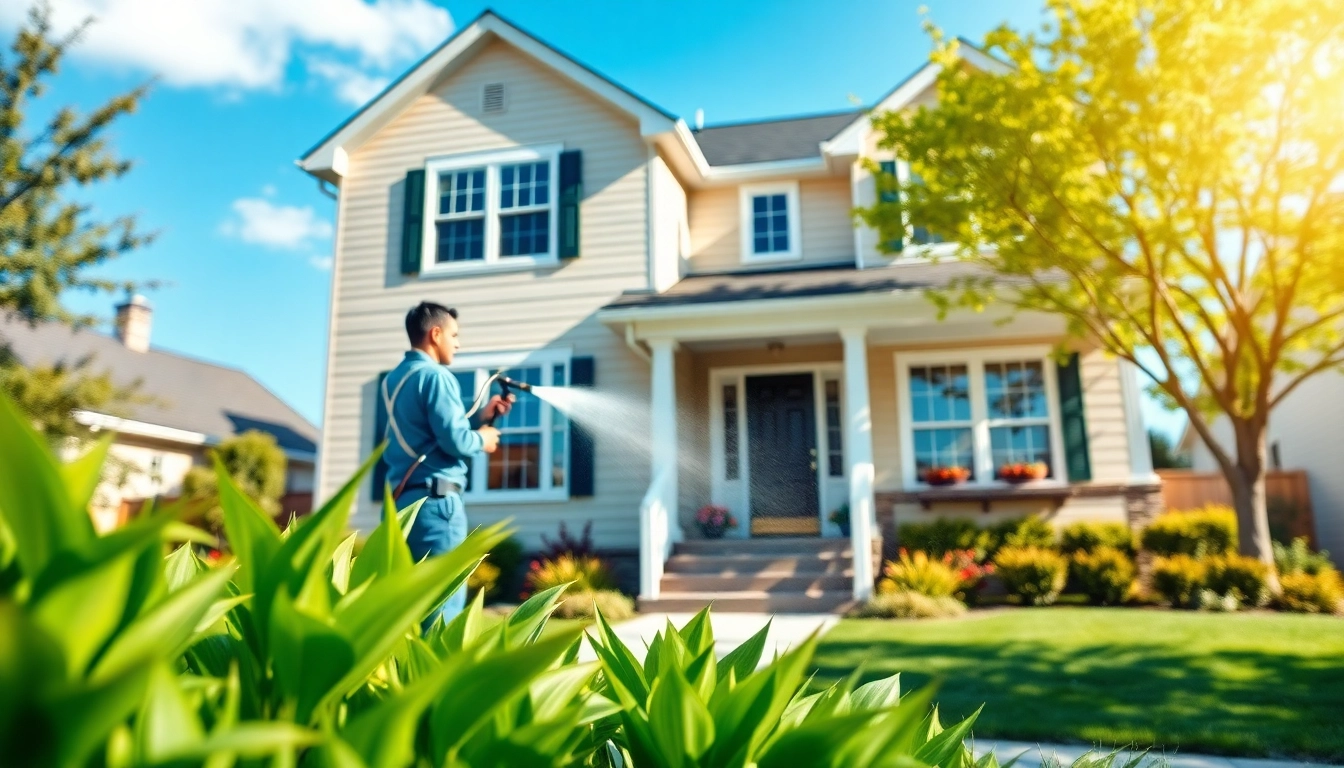
House washing is the process of cleaning the exterior surfaces of a home, including walls, roofs, windows, and other structures. It typically involves the use of specialized equipment and techniques to effectively remove dirt, grime, mold, mildew, and other contaminants that can accumulate over time. The method chosen for house washing can vary widely depending on the material of the home and the types of stains present. While many people may be familiar with pressure washing, house washing encompasses a broader range of techniques to ensure thorough cleaning without damage.
Importance of House Washing
Regular house washing is crucial for maintaining the aesthetic appeal of your home as well as its structural integrity. Over time, contaminants like dirt, algae, and mold not only make your home look less appealing but can also cause severe damage if left unaddressed. These contaminants can lead to faster deterioration of paint, siding, and other structural components, potentially leading to costly repairs. Moreover, regular house washing can boost the value of your property, enhancing its resale potential by maintaining its curb appeal.
Signs Your Home Needs House Washing
Recognizing when your home requires house washing is essential for prevention. Common signs include:
- Visible stains and discoloration on walls, roofs, or siding.
- Accumulation of green algae or mold on the surface.
- Black streaks or spots that can indicate the presence of mildew.
- Dirt build-up causing a dull appearance.
- Increased allergy symptoms indicating mold and spores.
If you notice any of these signs, it’s time to consider a thorough House Washing service.
Methods of House Washing
Pressure Washing vs. Soft Washing
When it comes to house washing, two primary methods are widely used: pressure washing and soft washing. Pressure washing uses high-pressure water jets to blast away dirt and grime. It's highly effective for durable materials like concrete and brick. However, it can damage softer surfaces such as wood or vinyl siding if not used correctly.
Soft washing, on the other hand, employs lower pressure and utilizes chemical solutions that break down organic materials. This method is particularly suitable for roofs and delicate siding that require a gentler approach to avoid damage. Understanding which method to apply is crucial for effective cleaning without harming your home.
Eco-Friendly Cleaning Solutions
As environmental concerns become more significant, many homeowners are seeking eco-friendly cleaning solutions for house washing. These alternatives minimize harm to plants, animals, and water sources while still achieving effective cleaning results. A variety of biodegradable detergents and cleaners are available that can effectively combat mold, mildew, and dirt without relying on harsh chemicals. Choosing eco-friendly options can create a safer washing experience and contribute to overall environmental sustainability.
DIY House Washing Tips
If you're considering taking on house washing yourself, here are some tips for a successful outcome:
- Use the right equipment: Invest in a pressure washer with adjustable pressure settings or opt for soft washing tools.
- Select the appropriate detergent: Choose a cleaner that is suitable for the surface you are washing.
- Test in an inconspicuous area: Before washing large sections, test your method on a small patch to avoid damage.
- Work from the top down: Begin at the roof and work your way down to prevent dirt from running onto already washed surfaces.
- Rinse thoroughly: Ensure all cleaning solutions are rinsed away to prevent residue.
Remember, while DIY can save money, understanding the risks involved—especially with pressure washing—is essential.
Cost Factors of House Washing
Average Pricing for House Washing
The cost of house washing can vary significantly based on several factors including location, property size, and the type of washing method used. On average, homeowners can expect to pay between $200 and $400 for professional services, with additional costs for specialized treatments like mold removal or hard-to-reach areas. Smaller homes can often be washed for as little as $150, while larger properties may cost more than $600.
Factors Influencing House Washing Costs
Several variables can influence the overall cost of house washing:
- Size of the house: Larger homes will naturally require more time and resources to clean.
- Condition of the exterior: Homes with heavy staining or mold infestation may need additional treatments, raising costs.
- Accessibility: Properties with unique architectural features or hard-to-reach areas may incur extra charges.
- Location: Prices may vary significantly based on the region due to cost of living factors and local market rates.
Tips for Budgeting Your House Washing Project
Planning your house washing project effectively can help keep costs manageable. Here are a few tips:
- Get multiple quotes: Shop around and compare prices from different service providers.
- Consider off-season service: Scheduling during the off-peak season may reduce costs.
- Ask about packages: Some companies may offer bundled services that include additional treatments at a discounted rate.
Choosing a House Washing Service
What to Look for in a House Washing Company
When selecting a house washing service, research is key. Look for companies with proven experience, proper licensing, and insurance. Online testimonials and ratings can provide insight into customer satisfaction and the quality of service. Companies that offer warranties or guarantees on their work show a commitment to meeting customer expectations.
Questions to Ask Before Hiring
Before hiring a house washing service, consider asking the following:
- What methods do you use for washing?
- Do you have insurance and licensing?
- What are your cleaning process and any additional fees?
- Can you provide references from previous customers?
These questions can help ensure that you are choosing a reputable provider who can meet your house washing needs.
Understanding Service Agreements
Once you choose a house washing company, carefully review the service agreement. Make sure all details regarding cost, services provided, and timelines are clearly outlined. Pay attention to cancellation policies and any guarantees provided after washing. A comprehensive contract protects both parties and sets clear expectations.
Post-Washing Care and Maintenance
How to Maintain Your Home's Exterior
Once your home has been washed, ongoing maintenance is crucial to keeping surfaces clean. Regular inspections can help identify stains or build-up early on. Keeping gutters clean and free of debris will also prevent dirty runoff. Additionally, sealing surfaces when appropriate can provide an extra layer of protection against contaminants.
Signs Your Home Needs More Frequent Washing
If you find dirt or mold reappearing soon after washing, it may be time to adjust your cleaning schedule. Factors such as local weather conditions or proximity to trees and vegetation can contribute to faster build-up. By noting these signs, homeowners can determine the ideal frequency for house washing.
Long-Term Benefits of Regular House Washing
Investing in regular house washing carries several long-term benefits. Not only does it prolong the lifespan of exterior materials, but it also helps maintain your home’s aesthetic appeal. A clean home can reflect pride of ownership, potentially positively impacting property value and impressing neighbors and guests. Routine maintenance can also reduce overall cleaning and repair costs in the future.
FAQs
What is the average cost of house washing?
The average cost of house washing typically ranges from $200 to $400, depending on size and condition.
What is included in a house wash?
House washing usually includes removing dirt, mold, algae, and other organic materials from surfaces.
How often should I wash my house?
Most homes benefit from washing every one to three years, but this may differ based on environmental factors.
Can I wash my house myself?
Yes, homeowners can wash their homes but should ensure proper equipment and techniques to avoid damage.
What surfaces can be cleaned with house washing?
House washing can be performed on various surfaces, including siding, decks, roofs, and concrete.