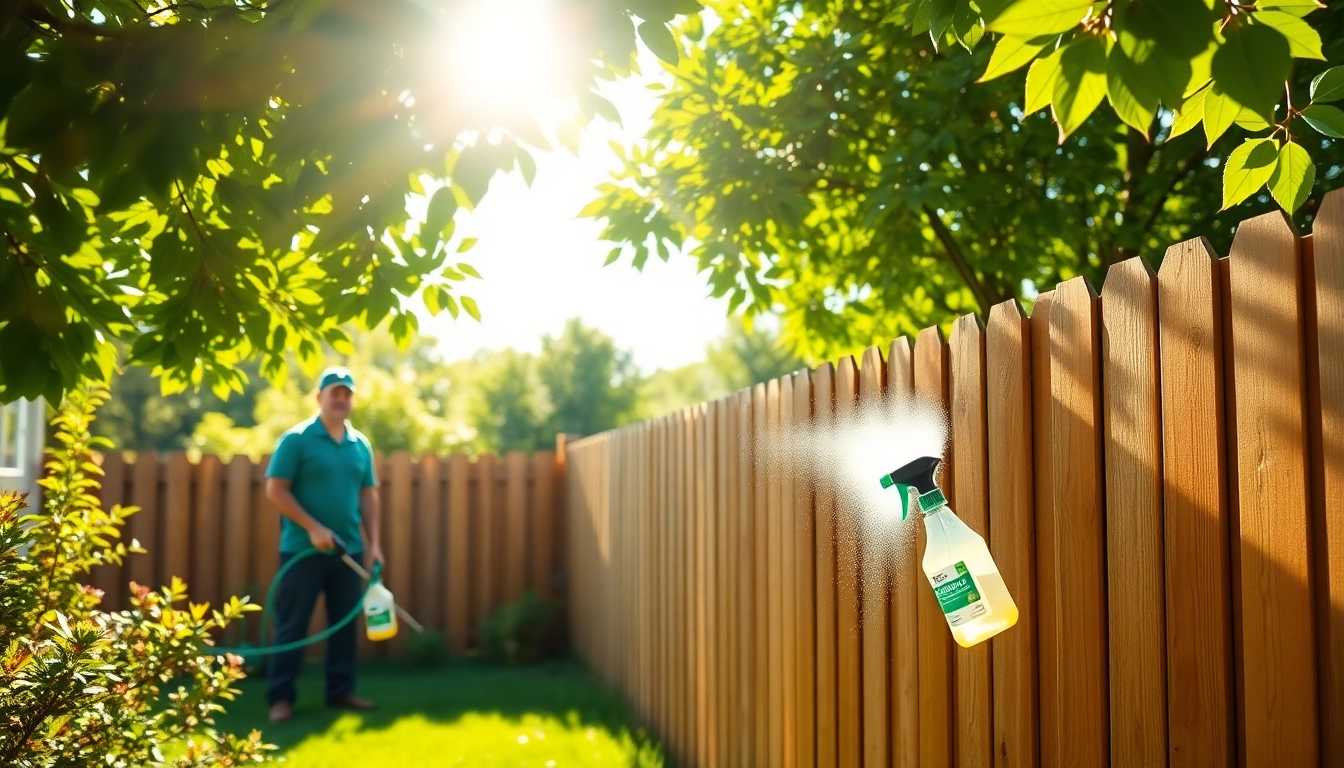
Understanding Fence Cleaning
What is Fence Cleaning?
Fence cleaning refers to the process of removing dirt, grime, mold, mildew, and other build-up from various types of fences. This task is essential not only for aesthetic appeal but also for extending the life of the fencing material and improving its functionality. Regular maintenance ensures that the fence remains sturdy and visually appealing, thus maintaining the overall property value.
Why Fence Cleaning is Important
Cleaning a fence serves multiple vital purposes. Firstly, it enhances curb appeal, making your home more attractive to guests and potential buyers. Secondly, regular cleaning helps prevent deterioration caused by mold, mildew, and rot, especially in wooden fences. Additionally, it can reduce the risk of damage from pests that thrive in dirty environments. Lastly, well-maintained fences contribute to a safer environment by providing reliable security and boundary demarcation.
Types of Fences Requiring Cleaning
Various types of fences require different cleaning methods. Common materials include:
- Wood Fences: Prone to rot and mold, requiring gentle cleaning to avoid damage.
- Vinyl Fences: Resistant to rot but can accumulate dirt and algae, necessitating regular washing.
- Metal Fences: Often susceptible to rust; need thorough cleaning and regular inspections.
- Chain Link Fences: Can collect debris and require simple rinsing for maintenance.
Common Fence Cleaning Methods
Pressure Washing vs. Chemical Solutions
When it comes to fence cleaning, there are two primary approaches: pressure washing and chemical solutions. Pressure washing uses high-pressure water jets to dislodge grime and dirt. This method works well for tough stains but can damage softer materials such as wood. In contrast, chemical cleaning solutions are gentler and can effectively break down mold and mildew without damaging the material. Each method has its pros and cons, and often, a hybrid approach yields the best results.
Eco-friendly Cleaning Techniques
For those concerned about environmental impact, eco-friendly cleaning techniques are available. These methods typically involve using biodegradable solutions, such as vinegar or baking soda, mixed with water. These alternatives work effectively for cleaning wood and vinyl fences without introducing harsh chemicals into the ecosystem, making them safer for pets and plants alike.
DIY Cleaning Solutions
Creating your own cleaning solution can be both effective and economical. One popular recipe includes mixing equal parts of water and white vinegar. For tougher stains, consider adding a small amount of dish soap to enhance cleaning power. Always test any DIY solution on a small area of the fence first to ensure it does not cause discoloration or damage.
Step-by-Step Guide to Fence Cleaning
Preparation Phase: Gather Your Supplies
Before you begin cleaning your fence, gather the necessary supplies. Key items include:
- A garden hose or power washer
- Cleaning solution (store-bought or DIY)
- A scrubbing brush or soft cloth
- Protective gear (gloves, goggles)
Ensuring you have all materials at hand can streamline the cleaning process and minimize the effort involved.
Execute the Cleaning Process
Start by saturating the fence with water, particularly if using a chemical cleaner, to prevent it from absorbing too deeply. Apply the cleaning solution generously and allow it to sit for 10-15 minutes. Scrub the surface vigorously with a brush, focusing on areas with visible stains. Rinse thoroughly with water, ensuring no soap residue is left. For pressure washing, keep the nozzle at a safe distance to avoid damaging the wood or vinyl.
Post-Cleaning Care and Maintenance
Once cleaning is complete, inspect the fence for any damage or signs of wear. It may be beneficial to apply a protective sealant, especially for wooden fences, to prevent moisture infiltration and UV damage. Regular maintenance, including periodic cleaning and inspections, will help prolong the fence's lifespan.
Safety Precautions During Fence Cleaning
Using Protective Gear
When engaging in fence cleaning, always wear protective gear. This may include gloves, goggles, and masks, especially if using harsh chemicals or operating a pressure washer. Proper attire will safeguard against accidental splashes and debris.
Handling Cleaning Chemicals Safely
Always read labels and safety data sheets before using any chemicals. Avoid mixing different cleaners, especially bleach and ammonia, as they can produce toxic fumes. Working in a well-ventilated area can also mitigate risks associated with chemical exposure.
Working with High-pressure Equipment
If using pressure washers, adhere to safety guidelines. Stand firmly and keep the nozzle at an appropriate distance from the surface being cleaned. Never point the wand at yourself or anyone else, as the high pressure can cause significant injury.
Frequently Asked Questions about Fence Cleaning
How much does it cost to get your fence cleaned?
The cost of professional fence cleaning typically ranges from $30 to $400, depending on the size and material of the fence. It's best to obtain quotes from multiple service providers.
What tools do I need for effective fence cleaning?
Essential tools include a pressure washer or garden hose, scrub brushes, cleaning solutions, and protective gear. Each material may require specific tools for optimal results.
Can I use bleach for fence cleaning?
Yes, bleach can be effective against mold and mildew but must be diluted properly. Always rinse well afterward to prevent damage to the fence finish.
How often should I clean my fence?
Fences should ideally be cleaned annually. However, frequency may increase based on environmental factors such as pollution or vegetation growth.
Are there professional services for fence cleaning?
Yes, many companies offer professional fence cleaning services. Hiring experts can save time and ensure thorough cleaning without the risk of damaging your fence.
For those interested in elevating their fence's aesthetic and longevity, understanding the various aspects of Fence Cleaning is essential. From preparation and execution to safety measures, this guide aims to provide comprehensive knowledge and practical tips for effective fence maintenance.