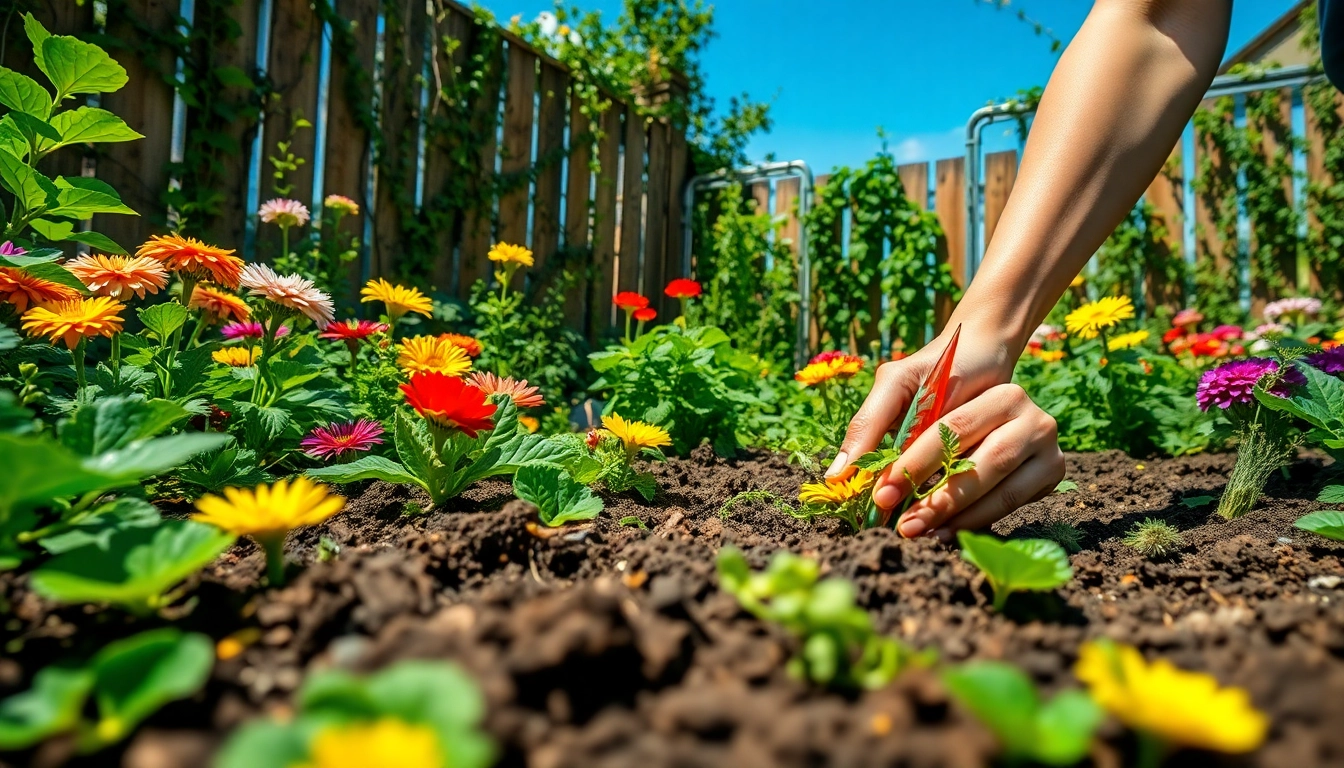
Understanding the Basics of Gardening
What is Gardening?
Gardening is much more than a hobby; it is a creative and therapeutic practice that involves cultivating plants for food, flowers, or ornamental purposes. Whether you are growing vegetables in your backyard or creating a beautiful flower bed, the essence of gardening lies in the nurturing of life. This process can be a source of fresh produce, a way to beautify your environment, and a fulfilling activity that allows you to connect with nature. For those interested in exploring more about gardening, resources such as Gardening can provide valuable information and services.
Benefits of Gardening
The advantages of gardening extend far beyond the produce you reap. Engaging in gardening provides numerous benefits including:
- Physical Health: Gardening involves physical activity that can improve aerobic fitness, strength, and flexibility.
- Mental Well-being: Gardening is known to reduce stress, anxiety, and symptoms of depression, promoting overall mental health.
- Environmentally Friendly: By growing your own plants, you help reduce your carbon footprint and promote biodiversity.
- Connection to Nature: Gardening fosters a closer relationship with the natural world, enhancing appreciation for ecological systems.
- Learning Opportunities: It provides a space for learning about plant biology, sustainable practices, and the food system.
Essential Tools for Beginners
Equipping yourself with the right tools makes gardening much easier and more enjoyable. Here are essential tools every beginner should consider:
- Trowel: A small hand tool for digging holes and transplanting seedlings.
- Pruning Shears: For trimming and shaping plants to promote healthy growth.
- Gloves: Protect your hands from thorns and dirt.
- Watering Can: For targeted watering, especially in delicate and small spaces.
- Rake: Useful for leveling soil and maintaining clear areas in your garden.
Planning Your Garden
Choosing the Right Location
Location is critical when planning a garden. A suitable spot should consider sunlight, accessibility, and proximity to water sources. The ideal location receives at least six hours of direct sunlight daily, necessary for most vegetables and flowers to thrive. Observing how the sun moves across your space throughout the day can aid in selecting the best position.
Soil Preparation Techniques
The foundation of any garden is healthy soil. Preparing your soil involves several key steps:
- Testing: Use a soil test kit to understand pH and nutrient levels.
- Amending: Depending on test results, you may need to add organic matter such as compost or peat moss to improve soil structure and fertility.
- Tilling: Turn the soil to a depth of at least 12 inches to aerate and mix organic matter well.
Creating a Garden Layout
A well-thought-out garden layout maximizes space and improves plant growth. Consider using a grid system or raised beds, which can introduce structure and enhance drainage. Group plants by their watering needs and growth habits; for instance, taller plants should be positioned behind shorter ones to avoid blocking sunlight.
Types of Gardens to Create
Vegetable Gardens
Creating a vegetable garden can provide fresh produce for your kitchen. Start with easy-to-grow vegetables such as tomatoes, lettuce, and carrots. Use companion planting, which involves growing different plants together for mutual benefits—like deterrence of pests or improved growth.
Flower Gardens
Flower gardens not only enhance the aesthetic of your landscape but can also attract beneficial insects and pollinators. Consider planting perennials that come back each year, as well as annuals that provide vibrant color throughout the growing season. Create a mix of heights and colors for visual interest.
Herb Gardens
Herb gardens are fantastic for culinary enthusiasts. You can grow a variety of herbs in pots or dedicated garden space, such as basil, parsley, and mint. Many herbs are also perennials, meaning they can return year after year, giving you ongoing access to fresh flavorings.
Advanced Gardening Techniques
Companion Planting Strategies
Companion planting is an ancient technique where plants assist each other’s growth. For example, planting basil near tomatoes can enhance their flavor and growth. Other combinations include carrots and onions, which can help deter pests when grown together.
Organic Gardening Practices
Organic gardening focuses on natural methods and materials to grow plants. This includes using organic compost, crop rotation, and natural pest control methods. Understanding soil health and biodiversity is crucial for thriving plants without the use of synthetic chemicals.
Watering and Irrigation Solutions
Proper watering is vital for plant health. Drip irrigation systems allow for efficient water delivery directly to plant roots and reduce wastage. In contrast, traditional watering cans or hoses are suitable for small gardens. Always water in the early morning or late afternoon to minimize evaporation.
FAQs and Gardening Tips
How can I start gardening as a beginner?
Begin with selecting a small area, deciding what to grow, and gathering essential tools. Consider easy-to-grow plants, and don’t hesitate to seek advice from local gardening groups.
What plants are easiest to grow?
Start with beginner-friendly plants like radishes, green beans, marigolds, and lettuce. These plants grow quickly and require minimal maintenance, making them ideal for novice gardeners.
How often should I water my garden?
Watering frequency depends on plant types and weather conditions. Generally, most gardens require watering two to three times a week, ensuring soil stays moist but not soggy.
Which gardening tools are essential?
Essential tools include trowels, pruning shears, gloves, watering cans, and rakes. These tools help make various gardening tasks easier and more efficient.
What are some common gardening mistakes to avoid?
Common mistakes include planting too closely together, overwatering, neglecting soil health, and not researching plant compatibility. Focus on spacing, watering practices, and understanding your plants’ needs to avoid these pitfalls.