The Natural Beauty of Australia
Australia is a land of stunning contrasts and unparalleled beauty, celebrated for its diverse landscapes, unique flora and fauna, and rich ecosystems. The towering mountains, sprawling deserts, breathtaking coastlines, and lush rainforests culminate in a kaleidoscope of natural wonders that captivate visitors and locals alike. This vast continent is not only a feast for the eyes but also a vital part of our planet's ecological heritage. To learn more about Australia’s breathtaking scenery and other facets of its natural environment, Australia offers a range of resources for deeper exploration.
Iconic Landscapes: From Coasts to Mountains
The geography of Australia is incredibly varied, comprising approximately 2.94 million square miles of land, making it the sixth-largest country in the world. The eastern coastline boasts stunning beaches, such as Bondi Beach in Sydney and the Great Barrier Reef, while the Outback features the red sands of the Simpson Desert and the iconic Uluru, a sacred Aboriginal site. The southern regions, particularly Tasmania, showcase towering mountains and pristine wilderness areas, while the northern parts are characterized by tropical rainforests and mangroves.
One of the most remarkable features of Australia's landscapes is the Great Dividing Range. Stretching over 2,000 miles from Queensland to Victoria, this mountain range not only influences the climate across the continent but also hosts unique ecosystems and exceptional biodiversity. Hiking and exploring these natural surroundings offer visitors the chance to connect deeply with the land.
Flora and Fauna: Unique Ecosystems of Australia
Australia is home to some of the world’s most unique and diverse wildlife, with over 80% of its flora and fauna found nowhere else on Earth. From marsupials like kangaroos and koalas to colorful bird species such as the emu and cockatoo, the animal kingdom here is unlike any other. The Eucalyptus tree, an iconic plant species, is vital to many wildlife species and is celebrated for its robust adaptability.
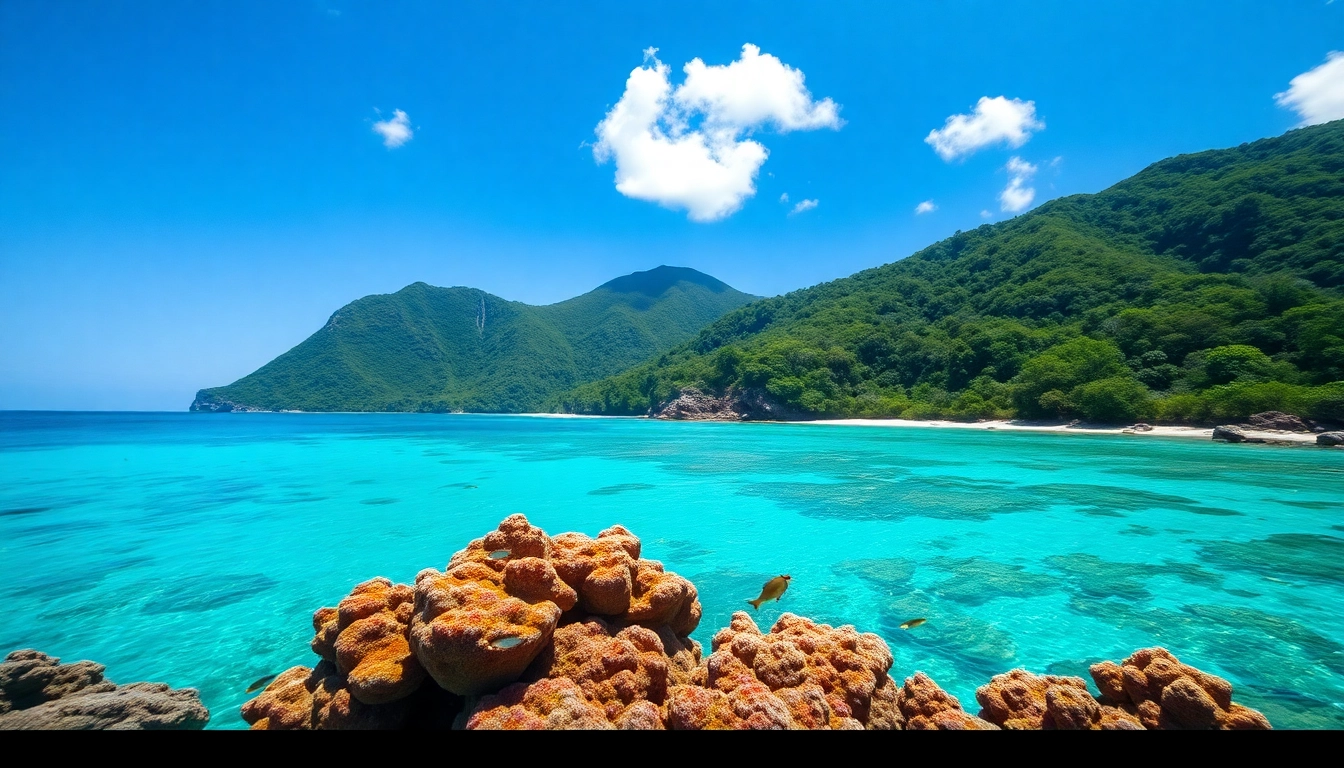
Additionally, the country is home to fascinating ecosystems including rainforests, coral reefs, deserts, and wetlands. Each region supports an array of species perfectly adapted to their environments. The Great Barrier Reef, a UNESCO World Heritage site, is the largest coral reef system in the world and is teeming with marine life such as turtles, clownfish, and sharks.
Conservation Efforts: Protecting Australia's Natural Heritage
As a nation with a deep sense of responsibility toward its natural environment, Australia actively participates in conservation efforts aimed at preserving its unique ecosystems. Organizations and government initiatives are established to protect endangered species, regenerate damaged habitats, and raise awareness about environmental issues.
National parks, such as Kakadu and Daintree, provide sanctuaries for wildlife and promote eco-tourism. Through community engagement and educational programs, Australians are increasingly aware of the importance of sustainability and the need to protect their natural heritage for future generations.
Cultural Diversity in Australia
The cultural landscape of Australia is as rich and varied as its geography, marked by the historical presence of Indigenous peoples and a continuous influx of immigrants from around the globe. This integration has painted Australia as a true "melting pot," where languages, traditions, and cuisines converge to create a unique national identity.
Indigenous Cultures: Understanding Australia’s First Peoples
Indigenous Australians represent some of the world’s oldest living cultures, with a history that spans over 65,000 years. These rich cultures are characterized by strong connections to the land, spirituality, and storytelling. Traditional practices, art forms, and languages vary across different Indigenous groups, each with its unique identity and practices. Opportunities exist for visitors to learn from cultural programs and enjoy contributions such as art displays, traditional dances, and storytelling.
Modern Australian Society: A Melting Pot of Cultures
In contemporary Australia, a vast array of cultures are represented due to globalization and immigration. The population comprises individuals from European, Asian, Middle-Eastern, and Indigenous backgrounds, fostering a society where cultural exchange flourishes. This diversity is celebrated through various festivals, food traditions, and community events, reflecting the inclusive nature of modern Australia.
Arts and Entertainment Scene: Showcasing Local Talent
The Australian arts and entertainment scene is vibrant and dynamic, supporting a variety of artistic expressions and showcasing local talents. Music, dance, theater, and visual arts flourish in urban centers like Sydney and Melbourne, where cultural festivals and art exhibitions attract audiences from around the world.
Additionally, Australian cinema has risen to international acclaim, with filmmakers and actors gaining prominence on the global stage. The country’s narrative, artistic styles, and unique perspectives contribute to the ongoing evolution of its cultural heritage.
Traveling in Australia
Traveling across Australia is a remarkable experience filled with adventure and discovery, offering diverse attractions ranging from urban cities to breathtaking natural wonders. The nation's extensive transport networks make exploring its unique landscapes more accessible than ever.
Top Destinations: Must-See Places in Australia
When visiting Australia, several destinations should be at the top of any travel itinerary. Sydney is known for its iconic Opera House and Harbour Bridge, while Melbourne is celebrated for its vibrant coffee culture and artistic flair. The wild beauty of Tasmania, the history-rich town of Fremantle, and the serenity of the Whitsunday Islands invite exploration. No visit would be complete without venturing to the Outback to experience Uluru, a symbolic representation of Australian identity and Indigenous heritage.
Travel Tips: Navigating Australia with Ease
Traveling in Australia can be a breeze with a little preparation. Renting a car is often the best way to explore, especially in rural areas. Familiarizing oneself with regional driving laws is essential for safe travels. Having a flexible itinerary will allow visitors to embrace spontaneous adventures, from discovering hidden beaches to attending local festivals. Additionally, travelers should stay informed about seasonal weather variations that can impact their plans.
Supporting Local: Eco-Friendly Travel Choices in Australia
As global awareness of sustainability grows, Australia emphasizes eco-friendly travel choices. Visitors can support local economies by choosing to stay in environmentally conscious accommodations, dining at local restaurants, and participating in eco-tours. Engaging in responsible wildlife experiences and avoiding plastic products can significantly enhance responsible tourism in Australia while preserving its natural beauty.
Economy and Lifestyle in Australia
The Australian economy is robust and diverse, characterized by a high standard of living and opportunities for both residents and visitors. Understanding the various elements that comprise life in Australia can help prospective visitors and residents alike navigate this vibrant nation.
Cost of Living: Understanding Expenses in Australia
The cost of living in Australia can be relatively high, especially in major cities where housing and transportation become key factors. However, salaries often reflect this reality, providing residents with a decent standard of living. Analyzing expenses related to food, healthcare, and utilities can provide insights into budgeting appropriately to ensure comfort during one’s stay.
Job Market: Employment Opportunities in Australia
Australia boasts a dynamic job market with growth opportunities in various sectors, including education, healthcare, technology, and construction. The nation encourages skilled migration and offers numerous pathways for foreign workers seeking employment. Understanding the job landscape and required qualifications will aid individuals in finding suitable roles while adapting to cultural expectations within the workplace.
Education System: Overview of Learning in Australia
Education in Australia is globally recognized for its high standards and emphasis on innovation. The system comprises primary, secondary, and tertiary education, with various vocational training programs available. Families relocating to Australia will find a multitude of choices, including public schools, private institutions, and international educational curriculums. Knowledge of local education systems helps newcomers navigate their options more effectively.
Frequently Asked Questions about Australia
What is Australia known for?
Australia is renowned for its unique wildlife, stunning natural landscapes, and vibrant cultural diversity, making it a captivating destination for travelers.
What is the capital of Australia?
The capital city of Australia is Canberra, located within the Australian Capital Territory, serving as the political center of the nation.
What languages are spoken in Australia?
English is the official language of Australia, but due to its multicultural society, numerous languages are spoken, including Mandarin and Italian.
Is Australia a safe place to visit?
Australia is generally considered a safe destination for tourists, featuring low crime rates and a friendly atmosphere across most regions.
What are the seasons in Australia?
Australia experiences four distinct seasons: summer (December to February), autumn (March to May), winter (June to August), and spring (September to November).