Importance of Screen-Free Play
In today’s digital age, children are often inundated with screens from a very young age. While technology can offer many educational benefits, it's crucial to balance screen time with activities that promote physical, cognitive, and emotional development. Screen-free play is not merely a trend; it represents a pivotal part of childhood development that fosters creativity, builds social skills, and encourages physical activity. To explore a variety of options including screen-free toys, visit the website for recommendations that enhance your child's play experience.
Benefits for Development
Engaging in screen-free play contributes significantly to various aspects of a child's development. For instance, when children play with physical toys, they develop fine motor skills through grasping, pressing, and manipulating objects. This kind of play also enhances problem-solving abilities as they navigate challenges presented during the activity, whether building a tower of blocks or solving a puzzle.
Additionally, physical play promotes a healthy lifestyle, helping to reduce the risk of childhood obesity by encouraging active movement. This activity is vital for cultivating coordination and balance. Cognitive benefits include enhanced memory and attention span as children become fully immersed in play, stimulate their imagination, and engage in more complex thought processes.
Fostering Creativity
Screen-free play lays the groundwork for creativity in childhood. When children are allowed to explore materials without prescriptive instructions, they are more likely to innovate. Building sets, arts and crafts materials, and imaginative role-playing with action figures all require children to think differently and come up with unique solutions. The freedom to express themselves creatively can significantly impact their future problem-solving skills and confidence.
Building Social Skills
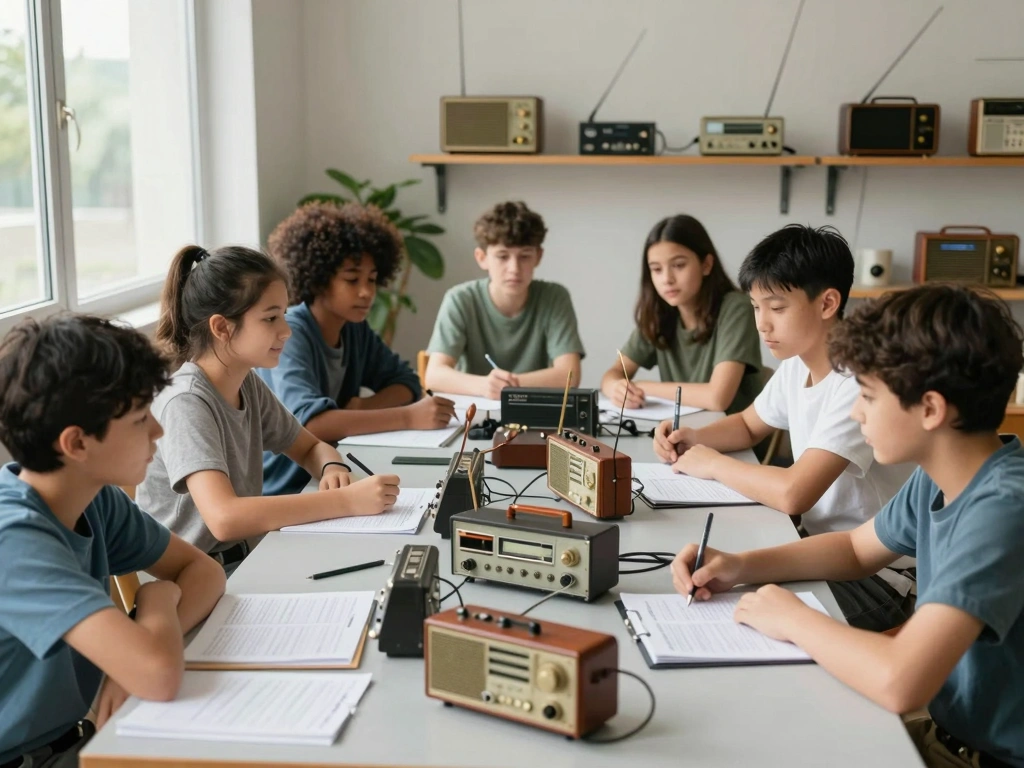
Interaction with peers during cooperative play fosters essential social skills such as teamwork, communication, and negotiation. Children learn to share, take turns, and manage conflicts as they engage in play that requires collaboration, whether in small groups or larger settings. This aspect of play can help develop empathy and understanding of different perspectives.
Types of Screen-Free Toys
Understanding the types of screen-free toys available can help parents make informed choices for their children’s playtime, ensuring a diverse range of engaging options. Here are some categories worth considering:
Building and Construction Toys
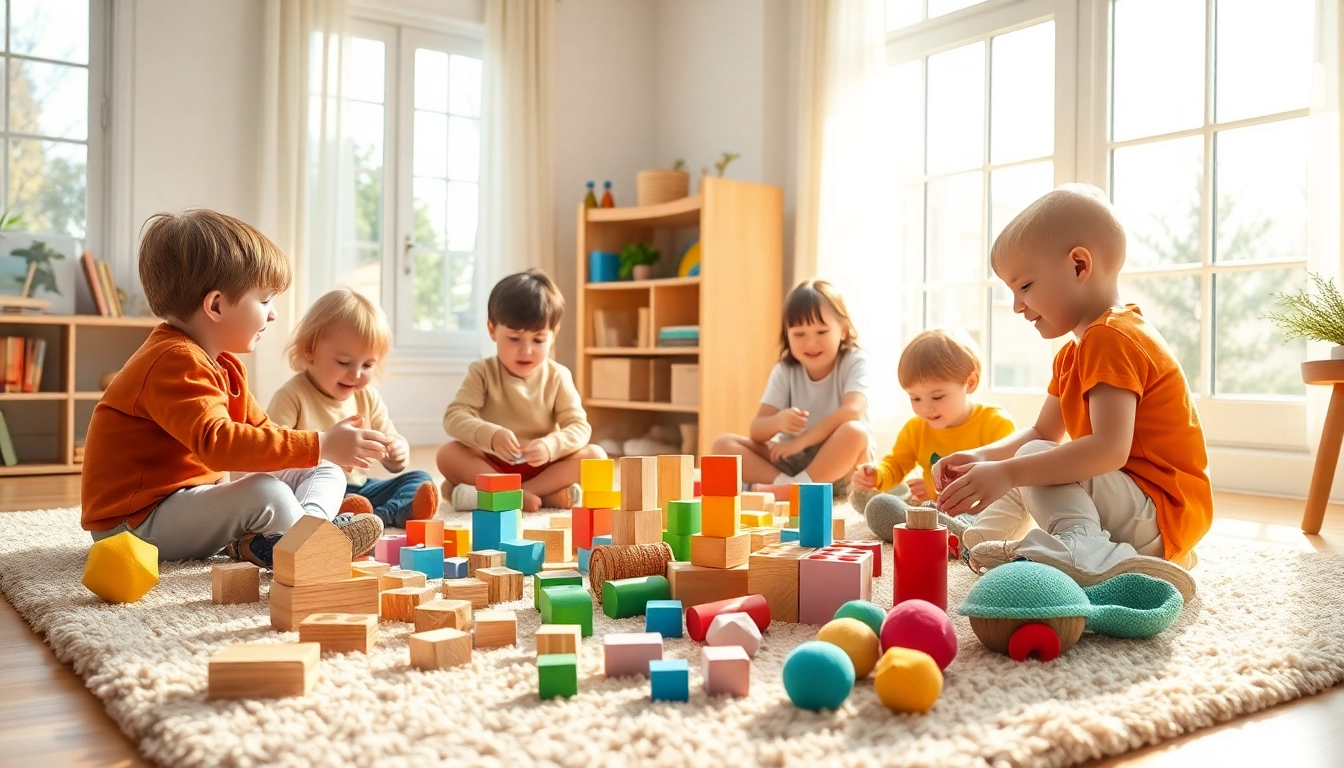
Building and construction toys are exceptional for engaging children’s imaginations while enhancing fine motor skills and spatial reasoning. Playing with building blocks, construction kits, or magnetic tiles encourages children to experiment with balance, symmetry, and structure. These toys not only help develop creativity but also nurture critical thinking as children plan their projects and adapt designs as they encounter challenges.
Arts and Crafts Supplies
Creative arts and crafts supplies can transform simple playtime into an experience that nurtures creativity and self-expression. Items like paints, markers, clay, and paper can be used in diverse ways to create masterpieces. Arts and crafts also help in refining motor skills and cognitive abilities, as children learn about color theory, shapes, and textures. Furthermore, the satisfaction of creating something tangible boosts self-esteem significantly.
Puzzles and Board Games
Puzzles and board games promote cognitive development, critical thinking, and social interaction. They challenge children to think strategically, enhance memory retention, and improve concentration. Activities like these are also fantastic for family bonding time, teaching kids to cooperate and respect rules while having fun. Choose puzzles with varying complexity to match your child's skill level, and opt for board games that encourage teamwork as well as friendly competition.
Choosing the Right Toys
When selecting toys for screen-free play, several factors should influence your decision-making process to ensure the best experience for your child.
Age Appropriate Selections
Choosing age-appropriate toys is crucial for maximizing engagement and benefit. Each developmental stage requires varied types of toys to nurture specific skills. For instance, toddlers may benefit from soft blocks and simple puzzles that encourage exploration, while older children might gain from more complex building sets or strategy games. Always consider the safety labels and recommendations indicated by toy manufacturers to make informed choices.
Safety Considerations
Safety should always be a priority when selecting toys. Look for non-toxic materials, small parts that could pose choking hazards, and products with no sharp edges. Checking for safety certifications can add peace of mind. Also, keep your child's specific needs and sensitivities in mind when selecting toys.
Durability and Quality
Investing in durable and high-quality toys ensures longevity and repeated use, which is essential for developing skills over time. Look for toys made from strong materials that can withstand rough play. High-quality toys not only last longer but also tend to provide better functionalities that enhance the play experience, making them worthwhile investments.
Creative Play Ideas
Offering a variety of play ideas can stimulate your child's imagination and creativity even further. Here are some suggestions to inspire productive screen-free playtime:
DIY Projects at Home
Collaborative DIY projects can be a fun way to engage children while helping them learn valuable skills. Simple tasks such as creating a bird feeder from recyclable materials or crafting homemade musical instruments can inspire creativity and provide hands-on experiences in science and craftsmanship. Encourage your kids to gather materials from around the house to understand resourcefulness.
Group Activities
Arranging themed playdates where children can partake in group activities enhances social skills and teamwork. Games such as scavenger hunts, building contests, or group art projects can be excellent ways for kids to collaborate while enjoying each other's company. This not only emboldens friendships but also fosters cooperative spirit and creativity.
Outdoor Screen-Free Play
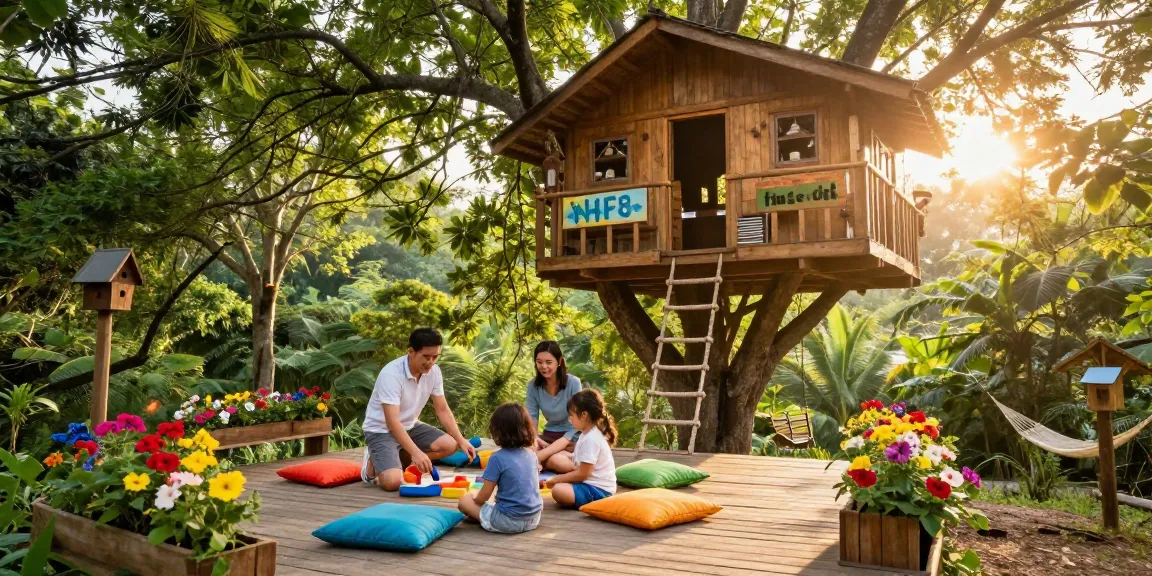
Encouraging outdoor play is essential for a child’s physical development. Outdoor activities like treasure hunts, obstacle courses, or simply exploring nature through guided walks can provide rich learning experiences. Accompanying outdoor play with activities like gardening or birdwatching allows children to connect with nature, enhancing their understanding of the environment while promoting physical health.
FAQs About Screen-Free Toys
What are the benefits of screen-free play?
Screen-free play enhances creativity, physical health, and social skills. It encourages active engagement, boosts cognitive growth, and promotes problem-solving abilities, all crucial for healthy development.
How can I encourage my child to play actively?
Encourage active play by creating a designated play area with various toys, planning outdoor activities, and engaging in play together. Setting a routine that limits screen time can also help.
What types of toys are best for fine motor skills?
Toys like building blocks, construction sets, arts and crafts materials, and puzzles are excellent for enhancing fine motor skills. These toys promote dexterity and hand-eye coordination through manipulation.
How do I choose safe toys for my kids?
Choose toys with safety certifications, made from non-toxic materials, and avoid small parts for younger children. Always read labels and guidelines to ensure they are age-appropriate.
Where can I find screen-free toy recommendations?
You can find screen-free toy recommendations on websites, toy stores, and parenting blogs focused on child development and enrichment activities that emphasize non-digital options.