
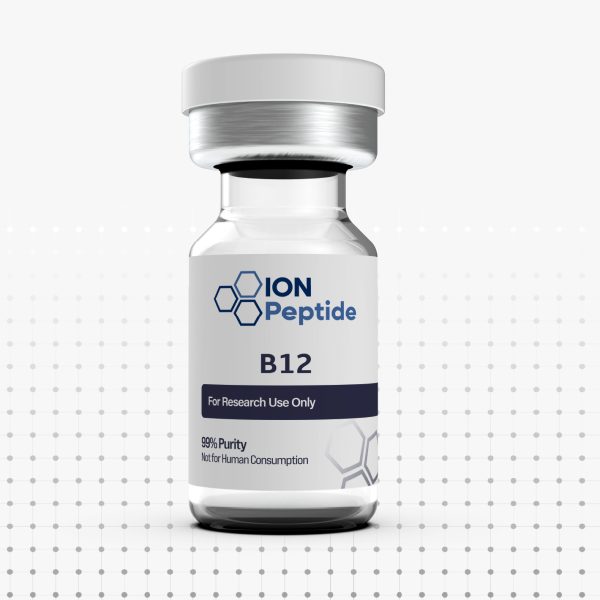
Introduction to High-Purity Klow peptide for Advanced Laboratory and Scientific Studies
High-Purity Klow peptide is gaining attention in advanced laboratory environments where researchers focus on molecular biology, biochemical signaling, and metabolic system modeling. The demand for High-Purity Klow peptide continues to rise as scientists explore more refined tools for studying cellular behavior and metabolic regulation. Within research frameworks at Ion Peptide, High-Purity Klow peptide is often referenced as a valuable experimental compound used for theoretical and analytical investigations.
High-Purity Klow peptide is frequently integrated into laboratory discussions due to its potential relevance in understanding intracellular signaling pathways. Researchers exploring metabolic adaptation and energy regulation often include High-Purity Klow peptide in conceptual and simulation-based models. The increasing focus on High-Purity Klow peptide reflects the broader scientific interest in peptide-based systems and their role in cellular research.
As studies evolve, High-Purity Klow peptide continues to appear in discussions surrounding metabolic balance, protein interaction frameworks, and cellular response modeling. High-Purity Klow peptide is also used in theoretical research settings where scientists aim to understand complex biochemical interactions at a molecular level.
Scientific background of High-Purity Klow peptide
The scientific background of High-Purity Klow peptide is rooted in peptide chemistry and systems biology research. Scientists studying molecular interactions often examine High-Purity Klow peptide to understand how peptides may influence enzymatic activity and intracellular communication networks. High-Purity Klow peptide is commonly included in models that simulate metabolic signaling pathways and biological response mechanisms.
High-Purity Klow peptide is also considered in the context of molecular signaling research, where researchers attempt to map interactions between peptides and cellular receptors. These models allow scientists to explore how High-Purity Klow peptide could theoretically participate in regulatory networks that govern energy metabolism and cellular adaptation.
In many experimental frameworks, High-Purity Klow peptide is evaluated alongside other peptide structures to compare potential functional roles in biological systems. This comparative analysis helps researchers better understand the structural significance of High-Purity Klow peptide in broader biochemical contexts.
Research applications of High-Purity Klow peptide in laboratory studies
High-Purity Klow peptide is widely used in research applications that focus on metabolic function and cellular signaling analysis. Scientists incorporate High-Purity Klow peptide into computational simulations to study how peptide structures may influence biological processes. These simulations often help in modeling metabolic efficiency and energy regulation pathways.
High-Purity Klow peptide is also applied in experimental designs that investigate cellular response mechanisms. Researchers may use High-Purity Klow peptide in controlled environments to observe theoretical interactions with enzymes and signaling proteins. This allows for deeper exploration of how High-Purity Klow peptide may contribute to biochemical regulation models.
Additionally, High-Purity Klow peptide plays a role in bioinformatics research, where it is used as a reference molecule in data-driven studies. Scientists analyzing protein interaction networks often include High-Purity Klow peptide in their datasets to evaluate potential signaling relationships and metabolic implications.
Importance of High-Purity Klow peptide in metabolic research
High-Purity Klow peptide is particularly important in metabolic research due to its theoretical involvement in energy regulation models. Researchers studying metabolic pathways often examine High-Purity Klow peptide to understand how peptides may influence glucose utilization, lipid metabolism, and ATP production processes. High-Purity Klow peptide serves as a conceptual tool for exploring these biological systems.
High-Purity Klow peptide is also evaluated in studies related to mitochondrial function and cellular energy dynamics. Scientists may incorporate High-Purity Klow peptide into models that simulate how cells adapt to metabolic stress or environmental changes. These studies help improve understanding of energy balance mechanisms at a molecular level.
Furthermore, High-Purity Klow peptide is frequently discussed in systems biology research, where it contributes to integrated models of metabolic regulation. High-Purity Klow peptide provides a useful reference point for understanding how multiple biochemical pathways interact within complex biological systems.
Purity and quality considerations of High-Purity Klow peptide
The concept of High-Purity Klow peptide is especially significant in laboratory environments where consistency and reliability are essential. Researchers often emphasize High-Purity Klow peptide when discussing experimental accuracy and reproducibility in peptide-based studies. High-Purity Klow peptide ensures that analytical results remain consistent across different experimental setups.
High-Purity Klow peptide is also important in quality-controlled research environments where precise molecular composition is required. Scientists rely on High-Purity Klow peptide to reduce variability in experimental outcomes and improve the reliability of data interpretation. This makes High-Purity Klow peptide a preferred reference in controlled laboratory modeling.
In biochemical research, High-Purity Klow peptide is often compared against lower-purity variants to evaluate differences in experimental behavior. These comparisons help highlight the importance of High-Purity Klow peptide in achieving accurate and reproducible scientific results.
Experimental handling and usage of High-Purity Klow peptide
Proper handling of High-Purity Klow peptide is essential in laboratory settings to maintain experimental integrity. Researchers working with High-Purity Klow peptide typically follow strict protocols to ensure stability and consistency during testing. High-Purity Klow peptide is often used under controlled environmental conditions to preserve its molecular characteristics.
High-Purity Klow peptide is also handled within standardized research frameworks that include precise measurement and documentation procedures. Scientists studying High-Purity Klow peptide ensure that all experimental variables are carefully controlled to avoid data inconsistencies.
In addition, High-Purity Klow peptide is frequently stored and processed according to laboratory best practices. These practices help maintain the structural integrity of High-Purity Klow peptide throughout the research lifecycle, ensuring reliable outcomes in experimental studies.
Scientific significance of High-Purity Klow peptide in modern research
The scientific significance of High-Purity Klow peptide lies in its ability to support advanced research in molecular biology and biochemical systems. High-Purity Klow peptide is widely recognized as a valuable tool for exploring theoretical models of cellular communication and metabolic regulation.
High-Purity Klow peptide is also important in computational biology, where it is used to simulate molecular interactions and predict biological behavior. Researchers use High-Purity Klow peptide to build models that help explain how peptides may influence complex cellular systems.
Moreover, High-Purity Klow peptide contributes to interdisciplinary research that combines chemistry, biology, and data science. By integrating High-Purity Klow peptide into these studies, scientists can better understand the interconnected nature of metabolic and signaling pathways.
Future perspectives on High-Purity Klow peptide research
The future of High-Purity Klow peptide research is expected to expand significantly as technology advances. High-Purity Klow peptide will likely play a larger role in computational modeling, artificial intelligence-driven simulations, and systems biology research. Scientists anticipate that High-Purity Klow peptide will remain a key reference in peptide-based studies.
High-Purity Klow peptide may also become increasingly important in personalized research models that focus on metabolic variability and cellular response differences. As research tools become more advanced, High-Purity Klow peptide could help refine predictive models in biological systems.
In addition, High-Purity Klow peptide is expected to contribute to next-generation laboratory methodologies that emphasize precision and reproducibility. These developments will further strengthen the relevance of High-Purity Klow peptide in scientific research.
Conclusion
High-Purity Klow peptide remains an important concept in advanced laboratory and scientific studies, particularly in the fields of metabolic regulation and cellular function research. Its repeated use in modeling, simulation, and experimental frameworks highlights the growing interest in High-Purity Klow peptide across multiple disciplines. At Ion Peptide, High-Purity Klow peptide continues to represent a valuable tool for theoretical exploration and scientific innovation. As research progresses, High-Purity Klow peptide is expected to maintain its relevance in understanding complex biochemical systems and advancing molecular science.