Understanding the Basics of Traditional Kimchi Fermentation
The History and Cultural Significance of Kimchi
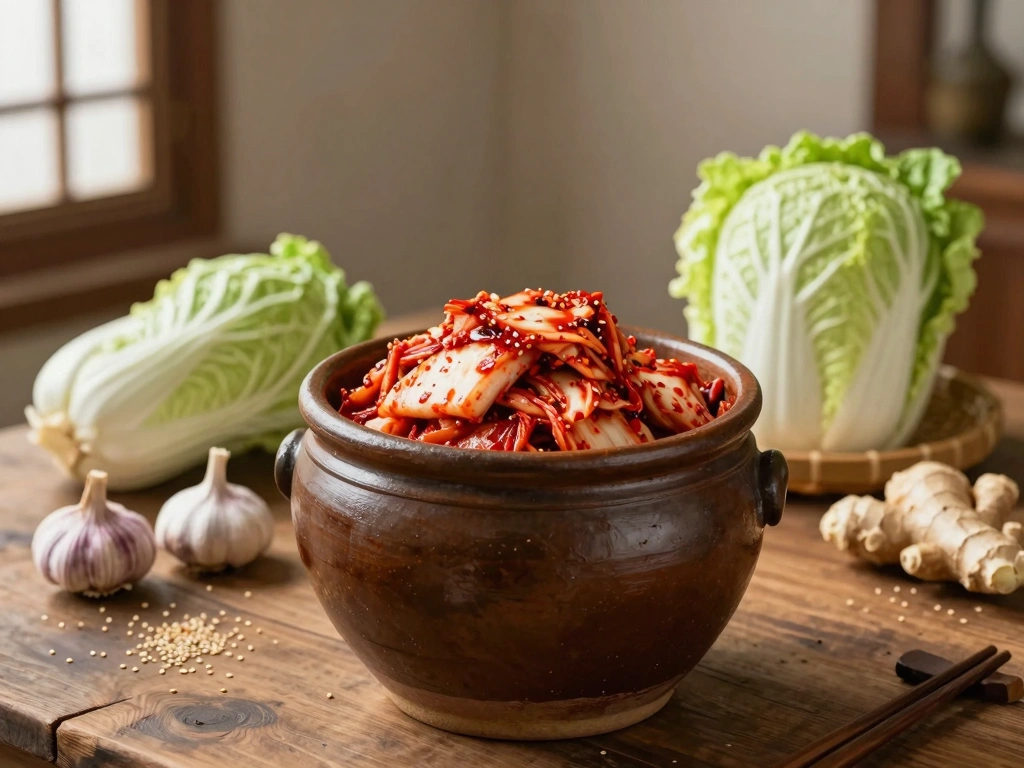
Kimchi is not just a staple food in Korean cuisine; it is a cultural icon that embodies the essence of Korean heritage and communal living. Dating back to ancient times, the earliest forms of kimchi were simple salted vegetables, but as agricultural practices evolved, so did the recipes. Today, kimchi comes in countless varieties, each region of Korea boasting its unique version, owing to local ingredients and traditions.
In Korean culture, kimchi is more than just food; it symbolizes family and togetherness, especially during the traditional kimjang season when families come together to prepare large quantities of kimchi for the winter months. This communal effort highlights the importance of food preservation techniques that allow families to enjoy seasonal vegetables year-round.
Key Ingredients for Authentic Kimchi
To achieve an authentic kimchi flavor, a few key ingredients are essential:
- Napa Cabbage: The primary vegetable used for traditional kimchi, known for its crisp texture and ability to absorb flavors.
- Korean Radish (Mu): Adds a crunchy texture and subtle sweetness to the mix.
- Garlic: Provides a pungent flavor that is crucial for depth.
- Ginger: Adds a warm, aromatic quality to the paste.
- Korean Red Pepper Flakes (Gochugaru): The hallmark of kimchi, offering heat and color.
- Fish Sauce or Salted Shrimp: Introduces umami and depth of flavor.
- Green Onions: For a fresh, herbal aspect.
Essential Fermentation Techniques in Traditional Methods
Traditional kimchi fermentation relies on the natural process of lactic acid bacteria, which thrive in the anaerobic environment of the fermentation vessel. The key techniques include:
- Salting: This initial step draws out moisture from the vegetables, helping to preserve them and create an environment conducive to fermentation.
- Mixing: The kimchi paste is mixed thoroughly with the salted vegetables to ensure even flavor distribution.
- Temperature Control: Fermentation occurs best at cooler temperatures, around 60°F to 72°F (15°C to 22°C), allowing for a slower, more flavorful fermentation.
Preparing Your Ingredients for Fermentation
Selecting the Right Vegetables for Kimchi
The quality of vegetables directly impacts the final taste of your kimchi. When selecting napa cabbage, look for heads that are firm and heavy for their size. The leaves should be crisp and vibrant green. For the Korean radish, choose one that is smooth and free of blemishes. Freshness is key; ideally, vegetables should be harvested within a day or two of making kimchi.
Importance of Freshness and Quality
Using fresh, high-quality ingredients will not only enhance the flavor of your kimchi but also ensure a successful fermentation process. Wilted or overly mature vegetables can lead to undesirable textures and flavors, as they may not hold up well during fermentation. Organic vegetables are often recommended, as they are less likely to contain pesticides that could interfere with the fermentation process.
How to Properly Clean and Cut Ingredients
Before you start making kimchi, it’s vital to clean your vegetables properly:
- Rinse: Wash the napa cabbage and radish thoroughly under cold running water to remove any dirt or impurities.
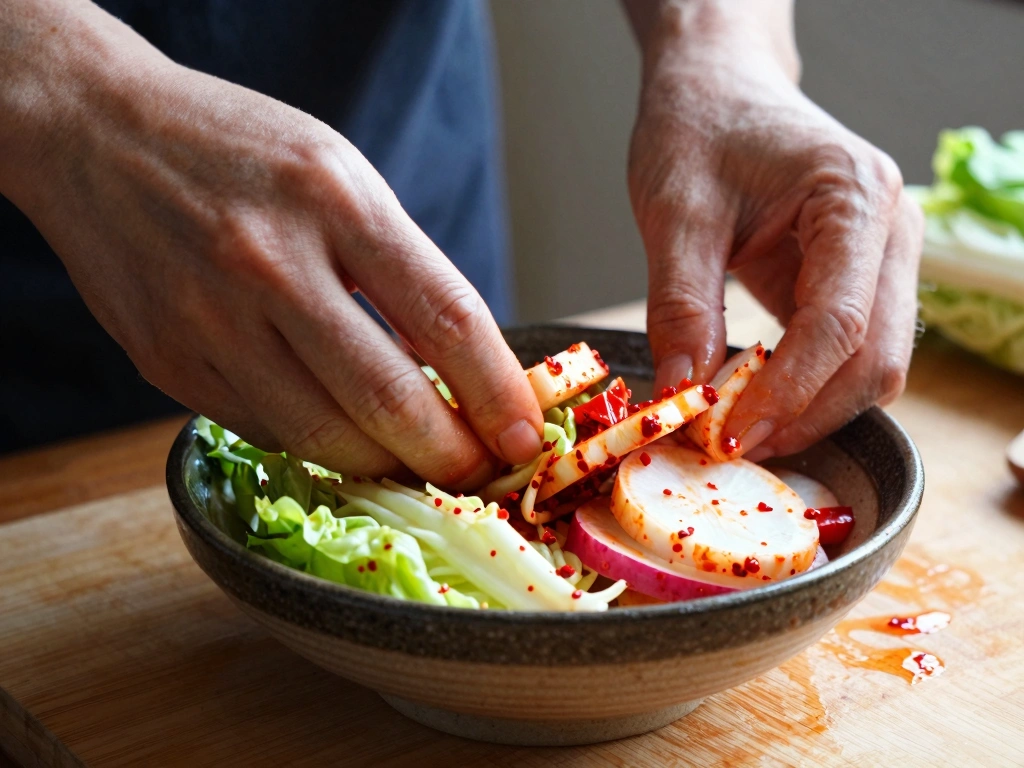
- Cut: For napa cabbage, cut it into quarters lengthwise, and then chop into bite-sized pieces. For the radish, slice it into matchstick pieces or cubes, depending on your texture preference.
- Soak: For napa cabbage, soak the quarters in a saltwater brine (about 1/2 cup of salt per gallon of water) for 2-6 hours, depending on size, to draw out moisture and soften the leaves.
Creating the Kimchi Paste
Traditional Seasoning Ingredients and Their Roles
The flavor profile of kimchi largely comes from the seasoning paste. Key ingredients include:
- Korean Red Pepper Flakes (Gochugaru): Provides heat and the vibrant red color characteristic of kimchi.
- Fish Sauce: This ingredient adds umami and depth. You can also use salted shrimp or anchovy paste for a similar effect.
- Garlic and Ginger: These aromatics contribute to a complex flavor profile.
- Sugar: A small amount of sugar helps balance the saltiness and enhances fermentation.
Step-by-Step Guide to Making the Kimchi Paste
To create your kimchi paste:
- Combine Ingredients: In a bowl, mix 1 cup of gochugaru, 1/2 cup of fish sauce, 1 tablespoon of sugar, 10 minced garlic cloves, and 1 tablespoon of minced ginger.
- Add Water: Gradually add water until the mixture reaches a paste-like consistency.
- Taste and Adjust: Taste the paste and adjust the seasoning as needed, adding more gochugaru for spice or sugar for sweetness.
Adjusting Spice Levels for Personal Preference
One of the great aspects of making kimchi at home is the ability to personalize the spice levels. If you prefer a milder kimchi, reduce the amount of gochugaru. Conversely, for a spicier kick, feel free to add more. Remember that fermentation will also mellow the flavors somewhat, so consider this when adjusting your ingredients.
Fermentation Process: Timing and Conditions
Choosing the Right Fermentation Vessel
The vessel you choose for fermentation can influence the final product. Traditional kimchi is often fermented in earthenware pots known as onggi, which allow for breathability and moisture control. However, any non-reactive container with a lid, such as glass jars or food-grade plastic containers, can work effectively. Ensure that the vessel is clean and sanitized to prevent unwanted bacteria.
Optimal Temperature and Environment for Fermentation
Kimchi ferments best in a cool, dark environment. Ideally, the temperature should be maintained between 60°F to 72°F (15°C to 22°C). If the temperature is higher, the fermentation process will accelerate, leading to a tangier flavor. A basement or a cool pantry is an excellent choice for fermenting kimchi.
Monitoring Fermentation: How to Know When It's Ready
Fermentation time can vary depending on the temperature and your flavor preference. Generally, kimchi takes about 1-5 days to ferment at room temperature. Here are a few signs to look for:
- Bubbles: The presence of bubbles indicates active fermentation.
- Smell: A tangy, slightly sour aroma is a good sign.
- Taste Test: Sample the kimchi after a day or so; if it has reached your desired level of sourness, it's ready to be moved to the refrigerator.
Storing and Enjoying Your Homemade Kimchi
Best Practices for Storing Fermented Kimchi
Once your kimchi has reached the desired fermentation level, it’s time to store it properly. Transfer it to glass or plastic containers, ensuring that the kimchi is submerged in its brine to prevent spoilage. Seal the containers tightly and store them in the refrigerator, where the fermentation process will slow down significantly. Properly stored, kimchi can last several months, and the flavors will continue to develop over time.
How to Incorporate Kimchi into Your Meals
Kimchi is incredibly versatile and can be enjoyed in various ways:
- As a Side Dish: Serve it alongside rice and main dishes for a tangy contrast.
- In Soups and Stews: Add kimchi to stews like kimchi jjigae for a comforting, spicy meal.
- In Fried Rice: Use it as a flavor booster in fried rice or noodles.
- As a Topping: Use kimchi as a topping for tacos, burgers, or pizzas for an unexpected flavor twist.
Health Benefits of Consuming Fermented Foods
In addition to being delicious, kimchi is packed with health benefits. The fermentation process enhances the nutritional profile of the vegetables, making them rich in probiotics that support gut health. Regular consumption of fermented foods like kimchi can aid digestion, boost the immune system, and may even contribute to weight management. Furthermore, kimchi is low in calories and high in vitamins A, B, and C, making it a nutritious addition to any diet.