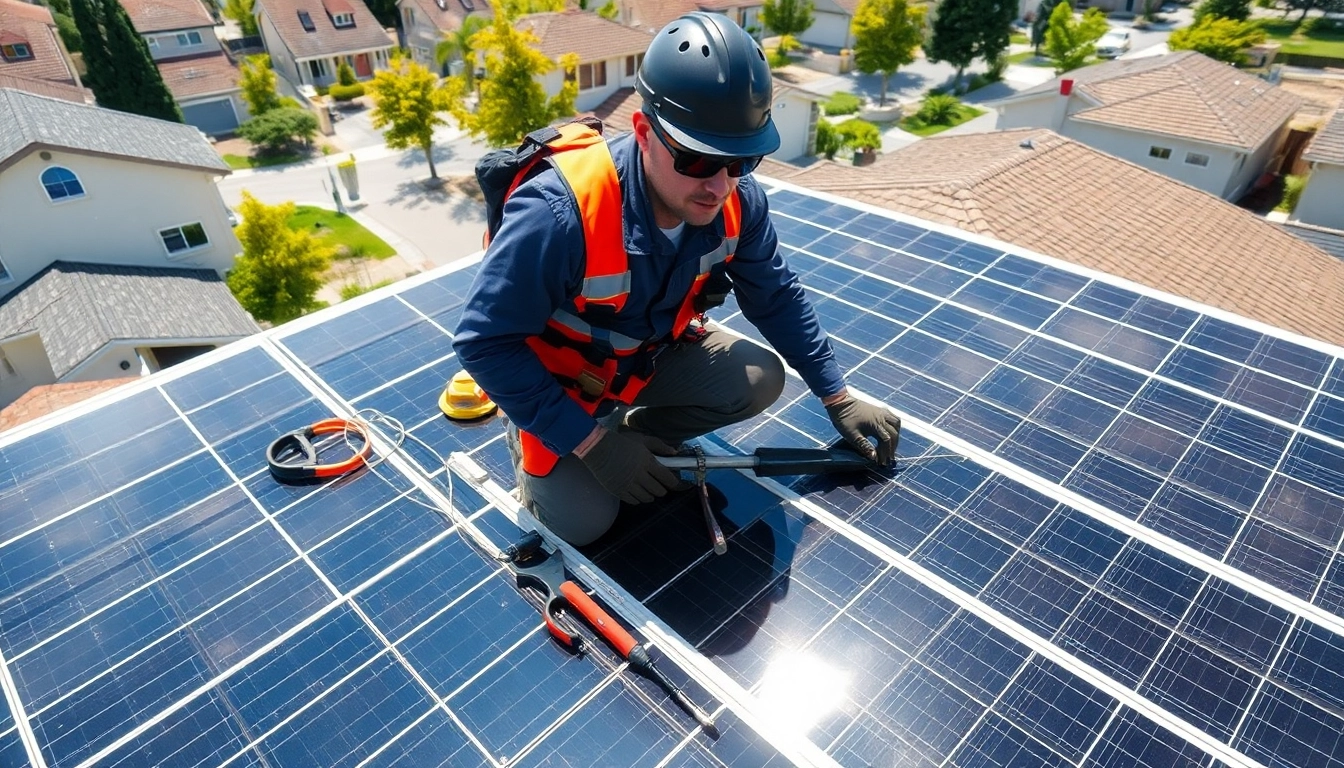
Understanding Emergency Solar Panel Repair
What is Emergency Solar Panel Repair?
Emergency solar panel repair refers to the prompt intervention required when solar power systems encounter technical failures or physical damage, necessitating immediate attention to restore functionality. This often involves specialized technicians who respond quickly to diagnose and resolve issues, ranging from malfunctioning inverters to damaged solar panels. The goal is to minimize any disruption to energy production and ensure the safety of the system and its surroundings. Understanding what constitutes an emergency in solar technology is crucial for every solar panel owner.
Common Situations Requiring Emergency Repair
Several situations could necessitate emergency solar panel repair. The most common scenarios include:
- Storm Damage: Severe weather conditions, including hail, heavy winds, or flooding, can lead to significant damage to solar panels. Shattered glass, loose connections, or flooded electrical components are all valid reasons to seek emergency services.
- Technical Failures: Malfunctions in crucial components like inverters can stop the system from operating altogether. Rapid diagnostics and repair are essential for reducing energy loss.
- System Errors: Particular malfunctions or system alerts that indicate a failure, such as a sudden drop in energy production, should be addressed immediately.
- Physical Damage: Any visible injury to the solar panels or equipment, like cracks, burns, or loss of wiring, needs urgent inspection and correction.
- Pests or Wildlife Interference: Animals like squirrels or birds can damage wiring, leading to shorts or malfunctions, requiring immediate intervention.
Benefits of Professional Emergency Repair Services
Hiring professionals for emergency solar panel repair offers several advantages:
- Expertise: Specialists are trained to identify and rectify problems quickly, ensuring safety and optimal performance.
- Efficiency: Professionals come equipped with tools and parts to address issues on the first visit, minimizing downtime.
- Safety: Handling solar systems can pose risks due to electrical components. Experts follow safety protocols to protect themselves and homeowners.
- Long-Term Solutions: They provide durable fixes rather than temporary solutions, enhancing the longevity of the solar system.
- Warranty Protection: Professional repairs often help keep existing warranties intact, potentially saving money on future repairs.
Identifying Signs of Solar Panel Issues
Common Symptoms Indicating Repairs Needed
Identifying the early signs of malfunction can prevent further damage and costly repairs. Key symptoms include:
- Decreased Energy Production: A noticeable drop in production from solar panels can indicate malfunctioning components.
- Error Messages: Alerts from your solar monitoring system signaling an issue should not be ignored.
- Physical Damage: Any visible wear or cracks can affect system performance and may worsen over time.
- Unusual Sounds: Electrical buzzing or popping sounds may result from loose wiring or failing components.
- Burning Smell: Any odor resembling burnt plastic or wiring is an indication of potential electrical failure, meriting immediate attention.
How to Conduct a Basic Inspection
While professionals should handle serious repairs, homeowners can perform basic checks to assess the condition of their solar systems:
- Visual Inspection: Look for any visible damage on the panels and surrounding equipment, including inverters and mounting systems.
- Check Connections: Ensure all wiring and connectors are secure and free of corrosion.
- Monitor Production: Regularly check output data and production levels through your system’s monitoring app to detect unusual drops.
- Inspect for Debris: Remove any debris like leaves, branches, or even bird droppings that may obstruct sunlight.
- Listen for Problems: Attend to any irregular sounds like buzzing or popping during panel operation.
When to Call a Professional for Emergency Solar Panel Repair
If any of the symptoms mentioned earlier arise, or if your inspection reveals troubling signs, it’s prudent to seek professional help. Additionally, contact professionals immediately if:
- You notice any physical damage due to weather events.
- Electrical components are not functioning as intended.
- Your system is producing less energy than normal without any apparent cause.
- Your monitoring system reflects error codes that are unclear or concerning.
- You can hear unfamiliar noises coming from your solar equipment.
Steps to Take During a Solar Emergency
Immediate Actions to Ensure Safety
In the event of a solar emergency, immediate safety measures should be prioritized:
- Power Off the System: If safe to do so, turn off the solar system to prevent further damage or safety hazards.
- Avoid Contact: Don’t attempt to touch or repair any electrical components personally, as this poses serious risks.
- Assess Surroundings: Look for any hazardous situations, such as exposed wires or panels that might fall.
- Document the Issue: Take photos of any damage for your records and for the repair professional's reference.
- Notify Others: Inform family members or others nearby about the emergency situation to ensure collective safety.
How to Contact Emergency Repair Services
When it’s time to reach out for professional help, take the following steps:
- Gather Information: Before calling, have your system’s details ready, including model number, installation date, and specifics regarding the problem.
- Search for Local Services: Look for reputable emergency repair services in your area, perhaps searching for emergency solar panel repair options.
- Prioritize Licensed Technicians: Ensure you hire experienced and licensed professionals to guarantee quality service.
- Ask About Their Availability: Confirm that they can provide immediate service, particularly in emergencies.
- Inquire About Pricing: Get an estimate of repair costs and understand their payment structure.
Information to Provide for Quick Assistance
When contacting a repair service, the following details will be helpful in ensuring swift assistance:
- Full Address: Provide your location for accurate estimating of travel time and service availability.
- Problem Description: Clearly describe the symptoms and what prompted you to call for help.
- System Details: Share your solar panel type, inverter branding, and any previous service history.
- Contact Information: Provide your phone number and email address for follow-up communications.
- Access Information: Let them know if there are any special access instructions or times they should be aware of.
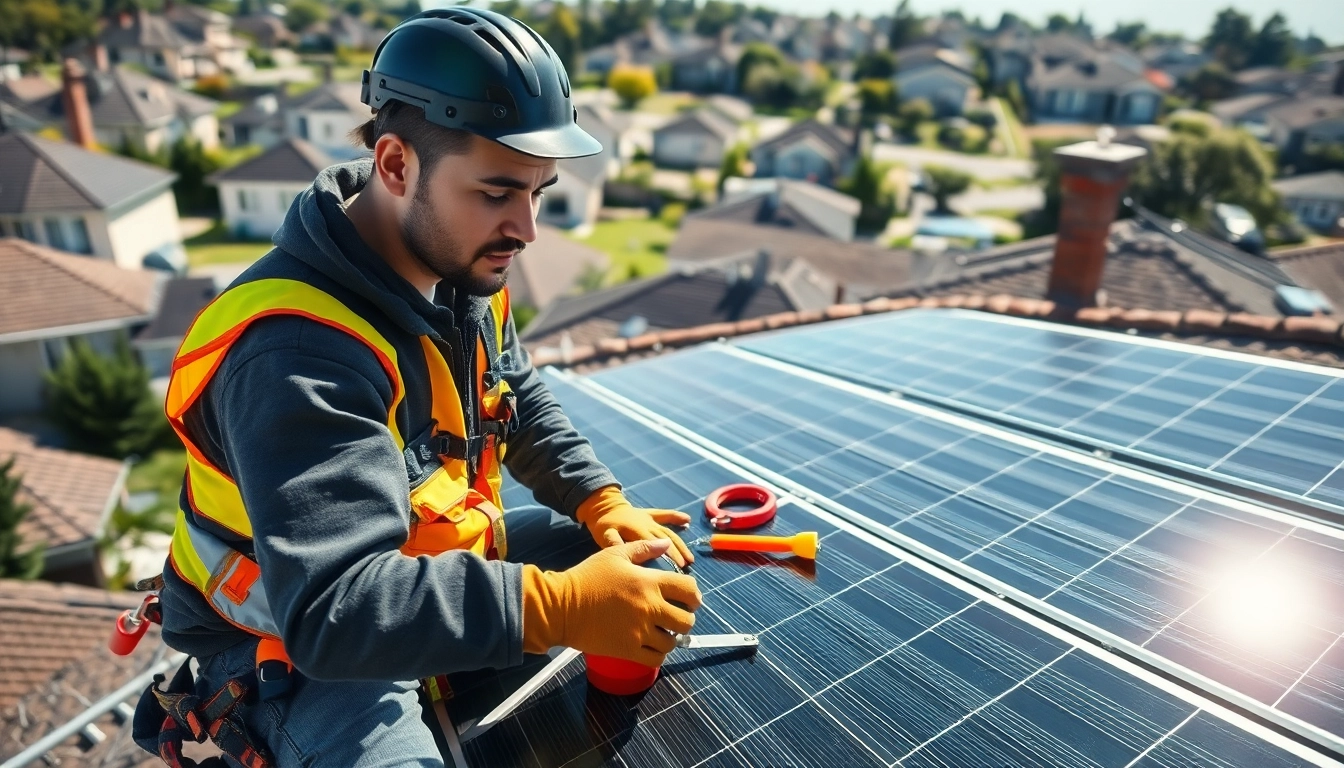
Cost Considerations for Emergency Solar Panel Repair
Factors Affecting Repair Costs
Several factors determine the cost associated with emergency solar panel repairs:
- Type of Damage: More extensive damage, particularly involving electrical systems, often leads to higher costs.
- Location: Service fees can vary by geographical region due to differences in labor costs and material availability.
- Service Availability: The urgency of the repair may affect pricing, with emergency calls typically costing more than standard service.
- Part Replacement: The cost of replacement parts, including panels and inverters, can affect overall repair expenses.
- Expertise Level: Hiring highly qualified technicians may incur a premium fee but offers a higher probability of thorough repairs.
Typical Price Range for Common Repairs
Emergency solar panel repair costs can range significantly based on the complexity of issues. Generally, prices can vary as follows:
- Minor Repairs: Simple fixes such as wiring replacements may range from $200 to $500.
- Moderate Repairs: Problems involving inverters typically cost between $500 and $1,200 depending on the severity.
- Major Repairs: Comprehensive repair work that includes panel replacement can exceed $1,200 and go upwards of $2,000.
- Service Fees: Emergency call-out fees can range from $100 to $300, depending on service-specific pricing.
Insurance and Warranty Implications
Insurance coverage can vary significantly based on policy specifics and provider agreements. Here’s what to consider:
- Homeowners Insurance: Many policies cover damage to solar panels, particularly if caused by storms or accidents, but check your policy for details.
- Warranty Coverage: Manufacturers often provide warranties on panels and inverters that may include repair services during the warranty period.
- Documentation: Always have your purchase documents and previous repair history handy, as they may be required for claims.
- Policy Limits: Be aware of the maximum benefits outlined in your policy to understand your financial exposure in emergencies.
- Deductibles: Be prepared for applicable deductibles that might be deducted from your claim total.
Long-Term Maintenance to Prevent Emergencies
Regular Maintenance Checklist for Solar Panels
To prevent future emergencies, establishing a solid maintenance routine is essential. Here’s a basic checklist:
- Clean Panels: Regularly wash panels to remove dirt, dust, and debris that may obstruct sunlight.
- Inspect Wiring: Check the system wiring for signs of wear, fraying, or corrosion.
- Monitoring System Updates: Keep the monitoring system updated and review data for inconsistencies.
- Clear Vegetation: Cut back any plants or trees that may shade your solar panels.
- Annual Professional Inspection: Schedule yearly check-ups with solar professionals to assess system health.
Importance of Professional Inspections
Annual professional inspections provide benefits that far outweigh their costs:
- Thorough Evaluation: Experts can identify potential problems before they evolve into emergencies.
- Safety Checks: Ensure that all electrical connections and installations meet safety standards.
- System Optimization: Professionals can offer insights on improving efficiency and performance through technical adjustments.
- Documentation: Regular inspections create a maintenance record that can be useful for warranty claims.
- Peace of Mind: Knowing your system is functioning optimally offers assurance against potential liabilities.
Signs Your System May Need Upgrades
As solar technologies continue to rapidly evolve, your system may require upgrades to maintain efficiency and performance. Key indicators include:
- Outdated Technology: If your system is significantly older, consider newer technologies for improved efficiency.
- Increasing Energy Needs: Upgrades may be necessary if your household energy consumption has increased substantially.
- Declining Performance: Consistently underperforming systems may need panel replacements or inverter upgrades.
- Incompatibility: Older systems may struggle with newer smart technology integrations that enhance energy management.
- Changes in Regulations: Ensure that your system complies with the latest industry standards and regulations.
FAQs
What should I do if my solar panels are damaged?
Report any damage immediately and avoid using the system until a professional evaluates it.
How can I tell if my solar panel needs an emergency repair?
Signs include a sudden drop in energy production, physical damage, or system errors.
How fast can emergency repairs be conducted?
Most emergency services can respond within hours, depending on location and workload.
Will my insurance cover emergency solar panel repairs?
Coverage can vary; check with your insurer for specific details on solar repair coverage.
How often should I have my solar panels checked?
It's recommended to have a professional inspection at least once a year for optimal performance.