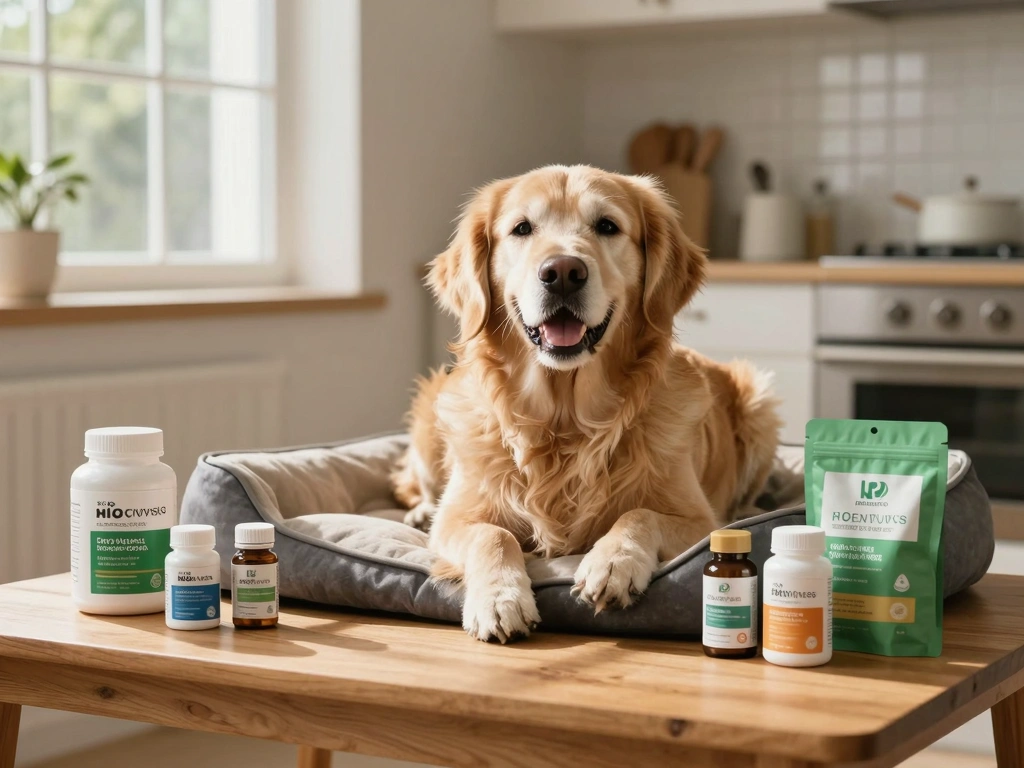
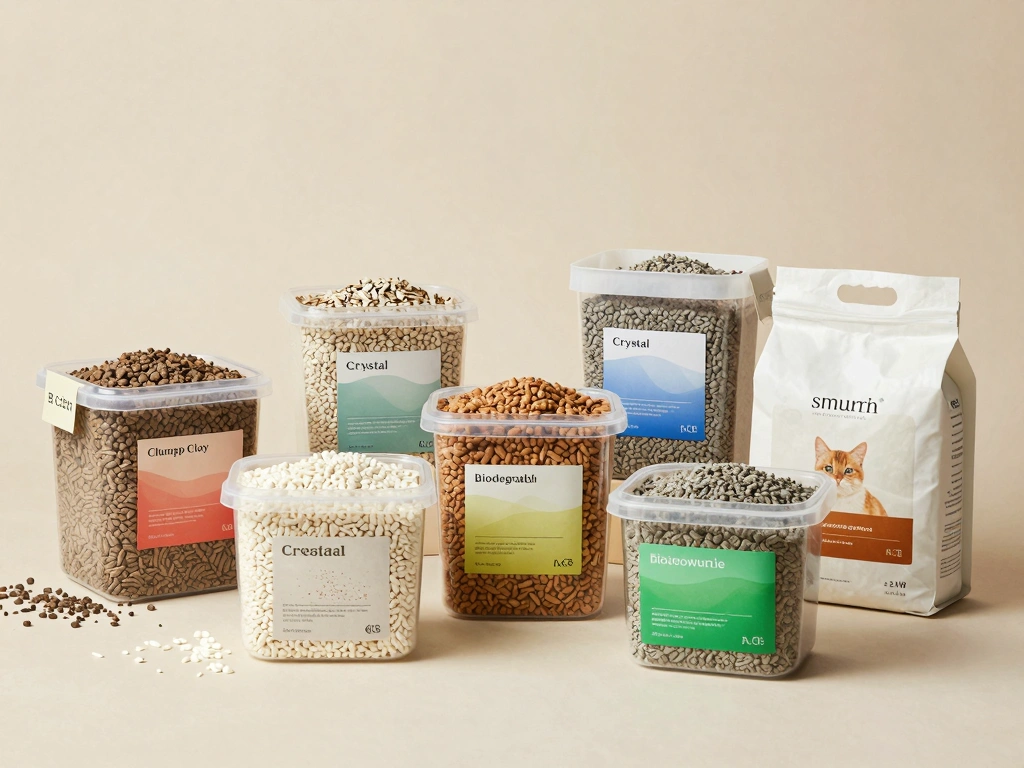
In today's pet food market, the importance of effective packaging cannot be overstated. As pet owners increasingly prioritize the health and safety of their animals, a pet food packaging company must rise to the occasion by providing quality solutions that not only preserve product freshness but also appeal to consumers. Understanding the intricacies of pet food packaging is essential for manufacturers looking to thrive in this competitive landscape.
Understanding Pet Food Packaging Needs
Importance of Quality Packaging
Quality packaging plays a crucial role in maintaining the integrity of pet food products. It protects against external elements such as moisture, oxygen, and UV light, which can degrade food quality and pose health risks for pets. Additionally, quality packaging enhances shelf life, ensuring that products remain fresh for extended periods. In a market where health is paramount, choosing the right packaging can set a brand apart from its competitors.
Types of Packaging for Different Products
Pet food comes in various forms, including dry kibble, wet food, and treats, each requiring different packaging solutions. Common options include:
- Flexible Pouches: Ideal for wet or soft pet food, these are lightweight and often resealable, making them convenient for consumers.
- Rigid Containers: Used for dry food, these containers offer excellent protection and branding opportunities.
- Multiwall Bags: Suitable for bulk dry foods, these provide barrier protection and are often chosen for their sustainability.
Consumer Preferences and Trends
Today's consumers are leaning towards more environmentally friendly packaging solutions and are interested in products that highlight their ingredients and benefits. Transparency about sourcing and sustainability practices is becoming essential in attracting eco-conscious consumers. Companies that align their packaging strategies with consumer preferences will find more success in the market.
Exploring Material Options for Pet Food Packaging Company
Common Packaging Materials
Choosing the right material is crucial for effective pet food packaging. Common materials include:
- Plastic: Versatile and lightweight, plastic is popular for its durability and moisture resistance.
- Paperboard: An eco-friendly option that provides good protection while being biodegradable.
- Foil Laminate: Excellent barrier films that keep moisture and oxygen at bay, often used for high-quality pet foods.
Sustainable Material Choices
Sustainability is a key focus for many consumers today. As such, the use of biodegradable and recyclable materials is gaining traction. Options such as compostable bags and recyclable laminates are becoming increasingly available in the pet food packaging industry. Companies that adopt these materials not only contribute to environmental preservation but also enhance their brand image.
Innovations in Material Technology
Material innovation can significantly impact the pet food packaging industry. New developments, such as plant-based plastics and smart packaging that can indicate freshness, are revolutionizing traditional packaging. These innovations not only improve the shelf life of products but also provide more engagement opportunities with consumers through interactive and informative features.
Design Considerations for Pet Food Packaging Company
Branding and Visual Appeal
The design of pet food packaging is about more than just functionality; it’s also about brand identity. Colors, images, and typography play crucial roles in attracting customers. A strong visual identity can help a product stand out on shelves and convey essential information quickly and efficiently.
Functional Design Features
Functional aspects of packaging design are just as essential. Features such as resealable zippers, easy-pour spouts, or clear windows can enhance user experience. These design elements should strive to make the packaging more convenient, thus increasing customer satisfaction and retention.
Regulatory Compliance and Safety
Pet food packaging must adhere to strict regulations surrounding food safety and labeling. Compliance ensures that packaging materials do not interact negatively with the food and that all claims made on the packaging are substantiated. Staying updated with regulations is vital for manufacturers to avoid legal consequences and ensure the safety of consumers’ pets.
Best Practices for Pet Food Packaging Company
Cost-Effective Production Techniques
Efficiency in production is crucial for any packaging company. Implementing lean manufacturing principles can minimize waste and reduce costs. Moreover, investing in automation technologies can speed up production without sacrificing quality, creating a more streamlined operation.
Quality Control Measures
Establishing robust quality control measures is essential for maintaining high standards in pet food packaging. This includes regular inspections and testing of materials and finished products. Companies should invest in quality assurance processes to prevent defects and ensure that the packaging consistently meets industry safety standards.
Case Studies of Successful Packaging Brands
Analyzing successful brands can provide insights into effective strategies for pet food packaging. Brands that have innovated in aesthetics, functionality, and sustainability tend to lead the market. By studying these examples, companies can glean best practices and adapt them to fit their unique needs while still maintaining a competitive edge.
Future Trends in Pet Food Packaging
Impact of E-commerce on Packaging Requirements
The rise of e-commerce has transformed how pet food needs to be packaged. Packaging must now withstand longer shipping times and often rough handling, thus requiring more durable materials. Furthermore, the growing trend of subscription services requires packaging that is not only functional but attractive, to enhance customer unboxing experiences.
Emerging Technologies in Packaging
Technologies such as augmented reality (AR) are paving the way for more interactive packaging experiences. Brands can engage customers directly through packaging, offering them new ways to interact with products, learn about their content and origins, and even access promotional deals. Additionally, innovations in biodegradable material technologies will continue to shape sustainable practices in the industry.
Predictions for the Pet Food Packaging Industry
The pet food packaging industry is expected to move towards greater customization, sustainability, and enhanced user experience. Brands that adapt to these trends will likely dominate the market. Companies must remain proactive and innovative, consistently evaluating market trends to align their strategies effectively.
FAQs
What materials are best for pet food packaging?
Best materials include flexible pouches, rigid containers, and multiwall bags, as they offer protection and preservation for pet food. Sustainability is also becoming a priority.
How can I ensure my pet food packaging is safe?
Ensuring safety involves selecting FDA-approved materials and conducting consistent quality control measures throughout the packaging process.
What trends are shaping pet food packaging today?
Current trends include sustainability, e-commerce influence, and the use of interactive technologies like AR for consumer engagement.
How do I choose a pet food packaging company?
Look for companies with experience, innovation in design and materials, strong quality control measures, and a commitment to sustainability.
Why is branding important in pet food packaging?
Branding helps differentiate your products in a competitive market, communicates your company's values, and attracts consumers through visual appeal.