Introduction to Beverage Packaging Company Solutions
In the ever-evolving landscape of the beverage industry, the role of packaging has transcended its traditional function. It is no longer merely a vessel for transporting products but has become a vital component of marketing, sustainability efforts, and consumer engagement. A beverage packaging company must offer innovative, adaptable, and sustainable packaging solutions to meet modern demands and challenges. This comprehensive exploration delves into the complexities of beverage packaging, highlighting its significance, types, selection criteria, and the future trends defining this crucial sector.
Importance of Packaging in the Beverage Industry
Packaging serves multiple purposes in the beverage industry, from safeguarding the product against contamination to enhancing brand visibility. For manufacturers, effective packaging must ensure product integrity and extend shelf life while also resonating with consumers. The choice of materials, design, and functionality are critical; they can differentiate products in a saturated market, influence purchasing decisions, and communicate brand values. Consequently, the diligence of a beverage packaging company in tailoring solutions can lead to significant competitive advantages.
Types of Beverage Packaging Available
There is a vast array of packaging formats tailored to various beverages, each suited for different purposes, market segments, and consumer preferences. Common types include:
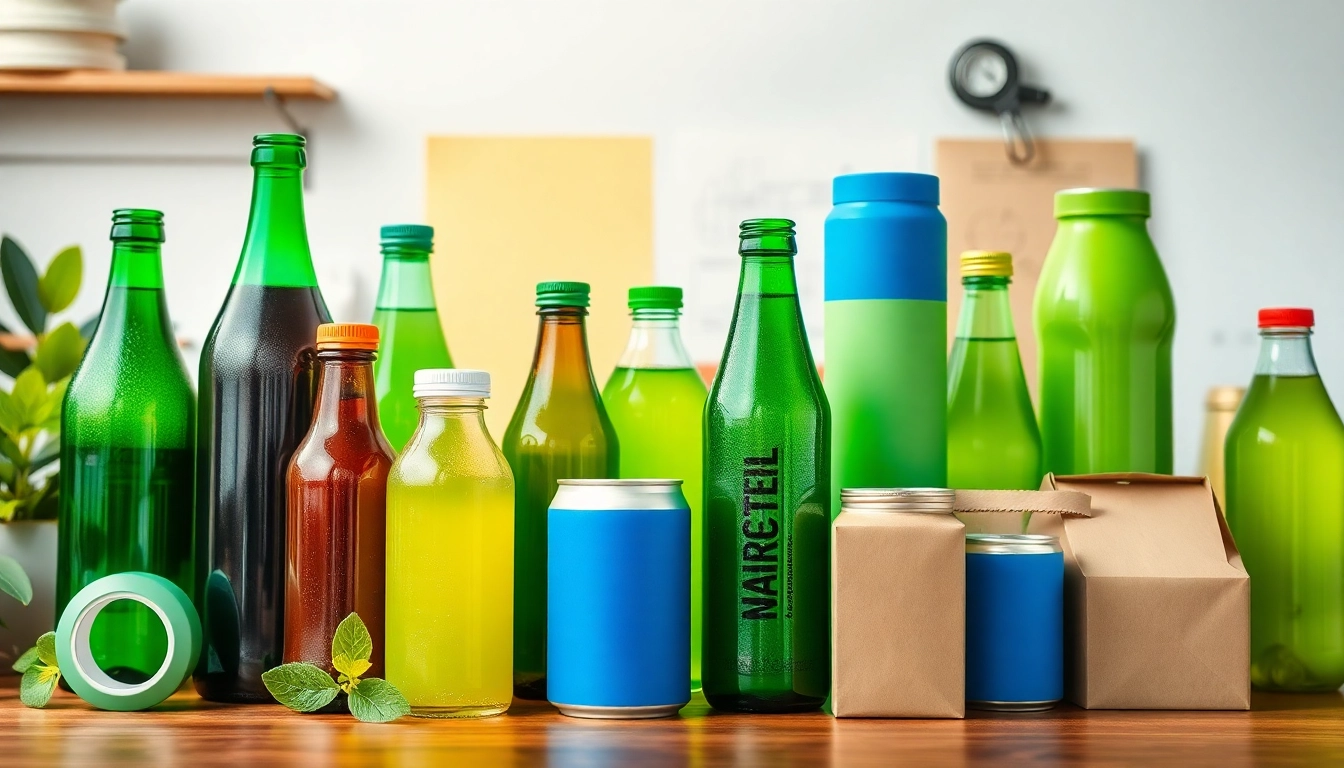
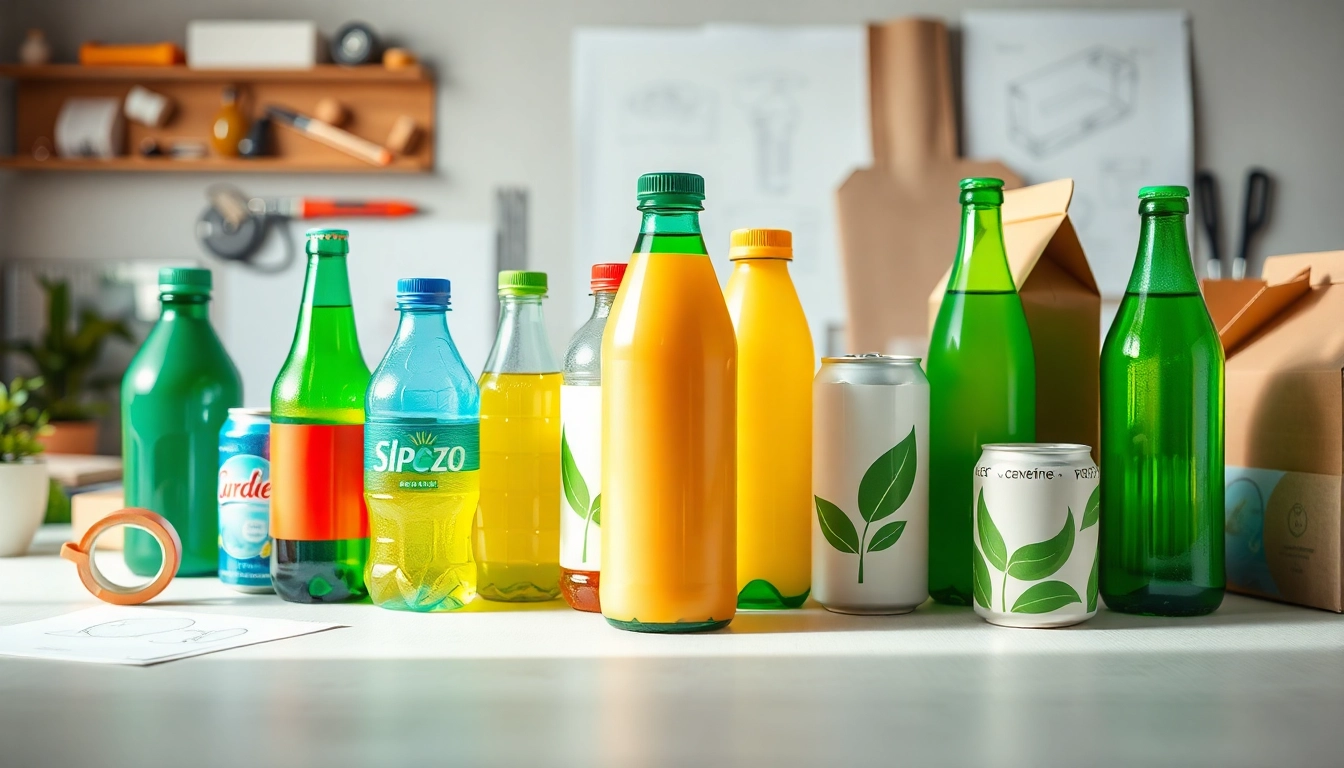
- Bottles: Glass or plastic bottles are prevalent for soft drinks, juices, and alcoholic beverages. They offer superior preservation of flavors and enhance aesthetic appeal.
- Cans: Aluminum or steel cans are lightweight and convenient, providing excellent protection against light and oxygen. They are widely used in the beer and energy drink markets.
- Pouches: Flexible pouches are a growing trend, offering lightweight and space-saving solutions, particularly for juices and sauces.
- Cartons: These are often used for dairy products, juices, and non-carbonated beverages, providing a sustainable choice due to their recyclable materials.
- Kegs: Used primarily for draft beer, kegs are an eco-friendly solution favored by bars and restaurants.
How to Choose the Right Beverage Packaging
Selecting the right packaging involves several considerations. First, manufacturers must evaluate the technical requirements of the product, such as compatibility with the beverage's acidity or alcohol content. Additionally, factors like target demographics, sustainability goals, and market trends should inform packaging decisions. Collaboration with a reputable beverage packaging company can provide valuable insights, enabling brands to optimize functionality, aesthetics, and cost-effectiveness while enhancing consumer appeal.
Sustainability Practices in Beverage Packaging Company Strategies
The urgency for sustainability in the packaging sector highlights a shift toward eco-friendly practices. Consumers increasingly prefer brands committed to reducing their environmental impact, and beverage packaging companies play a crucial role in this transformation.
Eco-friendly Materials for Beverage Packaging
Utilizing sustainable materials is at the forefront of innovation in beverage packaging. From biodegradable plastics to recyclable paperboard, brands are opting for materials that align with global sustainability goals. Companies are also incorporating recycled content into their packaging solutions, significantly reducing reliance on virgin materials. Materials such as plant-based plastics and aluminum are gaining traction due to their minimal environmental footprint.
Reducing Waste in Beverage Production
Minimizing waste throughout the production and distribution process is essential. Implementing strategies like closed-loop systems, where materials are reused and recycled, can significantly lower waste generation. Moreover, optimizing packaging sizes and production processes helps enhance operational efficiency, reducing the carbon footprint associated with transportation and storage.
Impact of Sustainable Practices on Brand Image
As environmental awareness grows, companies that adopt sustainable practices benefit from enhanced brand reputation. Consumers increasingly gravitate toward brands demonstrating a commitment to sustainability; thus, adopting eco-friendly packaging can lead not only to consumer loyalty but also to increased market share. Transparency in environmental practices fosters consumer trust and affinity, positioning brands favorably in competitive landscapes.
Innovations in Beverage Packaging Technologies
Technological advancements are dramatically reshaping the beverage packaging landscape. As brands strive to engage consumers and stand out on crowded shelves, innovative packaging technologies provide new avenues for differentiation.
Smart Packaging and Tracking Solutions
Smart packaging technologies are revolutionizing how consumers interact with products. Features like QR codes and NFC chips enable brands to provide detailed product information, promotional offers, and sustainability messages. Furthermore, track-and-trace technologies enhance supply chain transparency, allowing consumers to verify product origins and quality.
Design Trends in Beverage Packaging
Contemporary design trends focus on minimalism, vivid colors, and interactive elements. Eye-catching designs can increase shelf appeal and attract attention in a competitive marketplace. Moreover, incorporating elements such as biophilic design, which connects consumers to nature, reflects a brand's commitment to sustainability while engaging their target audience effectively.
Case Studies of Successful Packaging Innovations
Examining successful case studies provides valuable insights into effective packaging strategies. For instance, some companies have reimagined traditional bottle designs to incorporate easy-to-carry features or adopt resealable caps, which enhance usability and encourage repeat purchases. Other brands have embraced limited-edition packaging to create urgency and exclusivity, tapping into consumer psychology effectively.
Quality Control in Beverage Packaging Company Processes
Maintaining stringent quality control within beverage packaging processes is non-negotiable. Ensuring that packages meet safety, compliance, and functional standards protects both consumers and brand integrity.
Testing and Compliance Standards
Compliance with industry regulations and standards is critical. Regular testing for leak rates, durability, and material compatibility ensures that packaging meets safety guidelines. Adopting certifications, such as ISO or FDA approvals, conveys a brand's commitment to quality and safety.
Maintaining Quality Across Different Packaging Types
The variation in packaging types requires tailored quality control measures. Each material and design must undergo specific testing to ensure functionality and safety. Implementing cross-functional teams within a packaging company can facilitate sharing best practices and optimizing quality control across diverse formats.
Addressing Common Quality Issues
Common quality issues, such as leakage or contamination, can stem from inadequate quality assurance processes. To mitigate these risks, beverage packaging companies should invest in advanced monitoring technologies and training for staff. Implementing continuous feedback loops can help quickly identify and resolve quality concerns.
Market Trends Shaping the Beverage Packaging Company Landscape
A deep understanding of market trends is essential for beverage packaging companies to stay relevant. Identifying shifts in consumer preferences, regulatory environments, and technological innovation enables brands to adapt proactively.
Consumer Preferences Influencing Packaging Choices
Today's consumers increasingly prioritize convenience, sustainability, and aesthetics in their purchasing decisions. Brands addressing these preferences by offering portable, eco-friendly, and visually appealing packaging are likely to succeed. Factors such as health consciousness and ethical considerations also heavily influence packaging choices, prompting brands to highlight these aspects.
The Rise of Personalized Beverage Packaging
Personalization is becoming a critical driver for consumer engagement. Brands leveraging data-driven strategies to tailor packaging designs—for instance, offering customizable labels—can forge stronger connections with their target audience. This level of customization enhances the consumer experience and drives brand loyalty, as customers feel more invested in products that reflect their unique preferences.
Adapting to Regulatory Changes in Beverage Packaging
Regulatory changes are a constant in the packaging landscape. Beverage packaging companies must stay abreast of evolving regulations regarding materials, recycling, and labeling. Proactive engagement with regulatory bodies can foster compliance and innovation, allowing brands to lead rather than merely respond to changes.
Frequently Asked Questions
What types of materials are best for eco-friendly beverage packaging?
Eco-friendly materials include biodegradable plastics, recycled paperboard, and glass. These materials can reduce environmental impact and meet consumer demand for sustainability.
How can technology enhance beverage packaging efficiency?
Technologies like automation, RFID tracking, and smart packaging can optimize inventory management, streamline production processes, and improve consumer engagement, leading to enhanced efficiency.
What are the key trends in beverage packaging design?
Current trends focus on minimalism, vibrant colors, and interactive elements like QR codes, which allow consumers to engage with brands directly and enhance product transparency.
How do I determine the right packaging for my beverage product?
Consider factors such as product characteristics, target audience preferences, sustainability goals, and market trends. Consultation with a skilled beverage packaging company can provide valuable insights.
Why is product safety significant in beverage packaging?
Product safety is crucial to protect consumers and maintain brand integrity. Proper packaging prevents contamination, preserves product quality, and ensures compliance with food safety regulations.