Understanding Car Detailing and Its Importance
What is Car Detailing?
Car detailing is a meticulous process that goes beyond a simple wash and wax. It involves a thorough cleaning, restoration, and finishing of an automobile, both inside and out. The goal is to achieve a level of cleanliness and restoration that is far better than a regular car wash. This is achieved through various techniques and using specialized products. With proper detailing, vehicles not only look excellent but can also help in maintaining their value, ultimately extending their lifespan.
Benefits of Car Detailing
Investing time in car detailing offers a multitude of benefits. First and foremost, it enhances the aesthetic appeal of your vehicle, making it look near-new and more enjoyable to drive. More than just appearance, regular detailing helps in protecting the paint from harmful elements like UV rays, dirt, and grime. Additionally, the tires, interior surfaces, and glass can be well maintained, leading to improved functionality and safety. A clean car is more pleasant for both drivers and passengers, making the journey more enjoyable.
Common Misconceptions about Car Detailing
Despite the growing popularity of car detailing, there are several misconceptions that people often have. Some believe that detailing is only for luxury cars, while others think it's just about washing the exterior. In reality, every vehicle can benefit tremendously from detailing, regardless of its price or age. Furthermore, detailing is a comprehensive service that involves deep cleaning and revitalizing both the exterior and interior, including upholstery and hard to reach areas.
Essential Products You Need for Car Detailing
Cleaning Products: What to Use
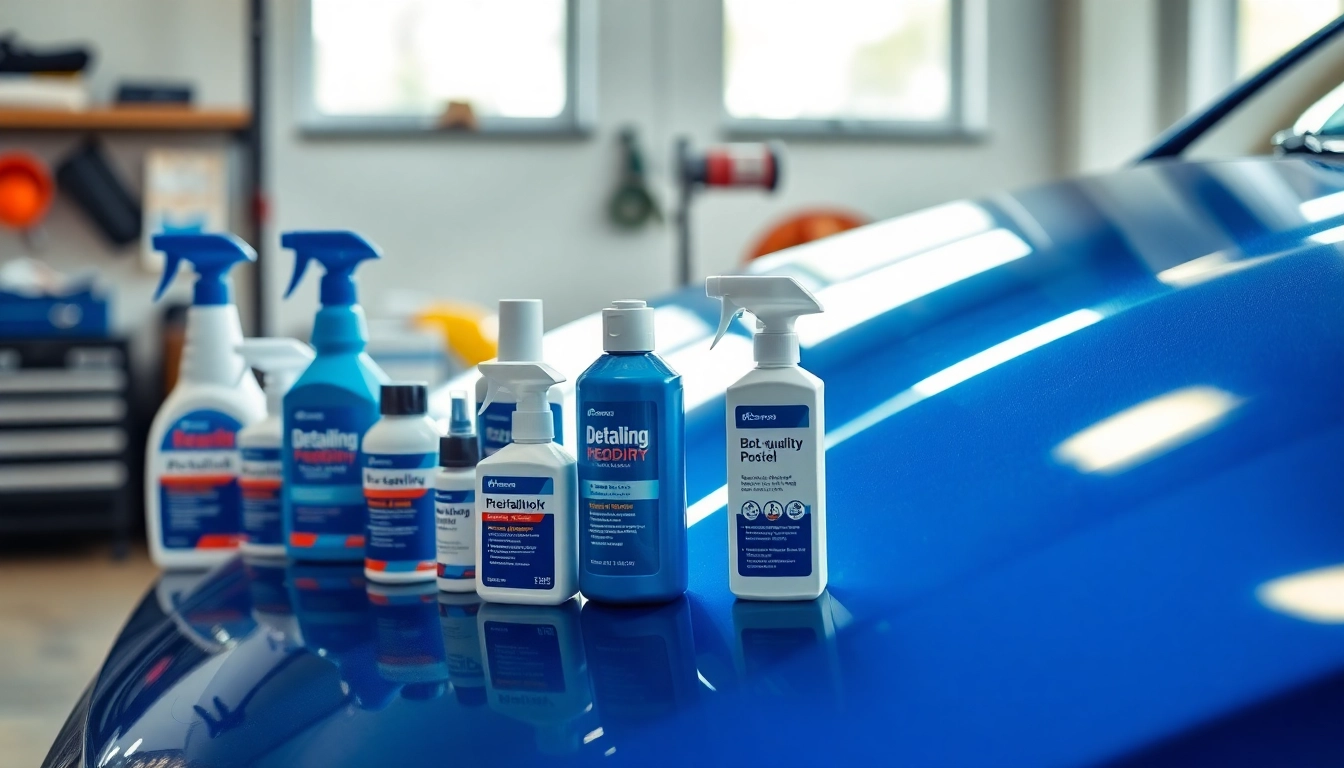
The foundation of effective car detailing lies in the products used. Essential cleaning products include high-quality car wash soaps, specific wheel cleaners, and interior cleaners tailored for different surfaces. It’s crucial to select pH-balanced cleaners, as they are gentler on vehicle surfaces yet effective in removing dirt and grime. Users often find that products containing high lubricity help reduce the risk of scratching the paint while providing a deeper clean.
Tools and Equipment for Effective Detailing
Having the right tools is paramount when it comes to achieving professional-quality results during car detailing. Essential items include microfiber towels, foam applicators, and brushes of various sizes. A good pressure washer can also be invaluable for cleaning, especially for tires and undercarriages. Additionally, a dual-action polisher can help in paint correction by ensuring that scratches and swirls are minimized without damaging the clear coat.
Protective Products for Your Vehicle
Protection is a key aspect of car detailing, making the use of high-quality waxes, sealants, or ceramic coatings vital. These products not only enhance the shine of the paint but also create a barrier against contaminants that can damage the paint over time. Opting for a ceramic coating may yield longer-lasting results, providing intense gloss and durability, but it often requires a more extensive application process than traditional wax.
Choosing the Best Products for Car Detailing
Factors to Consider When Selecting Products
When selecting products for detailing, consider factors such as the type of vehicle, the current condition of the surfaces, and personal preferences regarding eco-friendliness of products. Always check for compatibility with surface types (like leather, fabric, or plastic) to avoid any damage. It's also advisable to look into user reviews and ratings for insights into product efficacy.
Top Ingredients in Car Detailing Products
Quality car detailing products often contain specialized ingredients that enhance their effectiveness. For instance, polymers are frequently used in waxes and sealants for durability, while surfactants help lift dirt and grime away from surfaces. Additionally, certain cleaners may incorporate enzymes that break down organic stains and odors, ensuring a deep clean. Understanding these ingredients can help in making informed purchasing decisions.
User Reviews and Recommendations
User reviews provide invaluable insights when choosing detailing products. Often, fellow enthusiasts share their experiences, offering practical advice on product performance and application techniques. Online communities, forums, and videos can provide guidance on which products yield the best results. For those new to detailing, researching and following recommendations from seasoned detailers can significantly reduce trial and error.
Advanced Car Detailing Techniques
Professional vs. DIY Techniques
While many car owners may opt for DIY detailing to save costs, professional detailers often possess advanced skills, specialized tools, and high-grade products capable of delivering superior results. Techniques such as paint correction and ceramic coating application require expertise and practice. That said, many DIY techniques can still provide excellent results when executed carefully, supplemented by quality products and a detailed guide.
Step-by-Step Guide to Detailing Your Car
Detailing a car involves several steps. Start by thoroughly rinsing the exterior to remove loose dirt, followed by washing with a quality soap. After drying, inspect for imperfections, and use a clay bar to remove embedded contaminants. Next, polish to correct paint flaws, before applying your chosen wax or sealant. Don’t forget the interior, where vacuuming, cleaning, and conditioning surfaces will refresh the space. Finally, take care of the tires and wheels to complete the detailing process.
Maintaining Your Car’s Finish
Regular maintenance is required to keep your vehicle looking its best after detailing. Wash the car frequently but with the right techniques to prevent scratches. Applying a top coat of spray wax or sealant every few months can help maintain shine. Consider investing in products specifically designed for quick touch-ups between full details, which helps in prolonging the overall durability of the finish.
Frequently Asked Questions About Car Detailing
How often should I detail my car?
Depending on the climate and usage, detailing is generally recommended every 4 to 6 months. However, cars exposed to harsh weather or frequently used outdoors may benefit from more regular attention.
What are the best products for car detailing?
Using the best products for car detailing ensures optimal results. Look for trusted brands that emphasize quality ingredients tailored for specific tasks, like cleaning or protection.
Can I use household items for car detailing?
Some household items, like vinegar or baking soda, can be used for detailing, but care must be taken. These alternatives might not be as effective or safe on certain surfaces as dedicated products.
Is professional detailing worth the investment?
Professional detailing can be worth the investment, especially for maintaining high-value vehicles. Experts can achieve results often unattainable through DIY efforts, particularly in paint correction and protective coatings.
How do I choose the right products for my car's finish?
Understand your car's finish type (clear coat, matte, etc.) and choose products labeled for that specific finish. Researching ingredients and user feedback can help select suitable products for your needs.