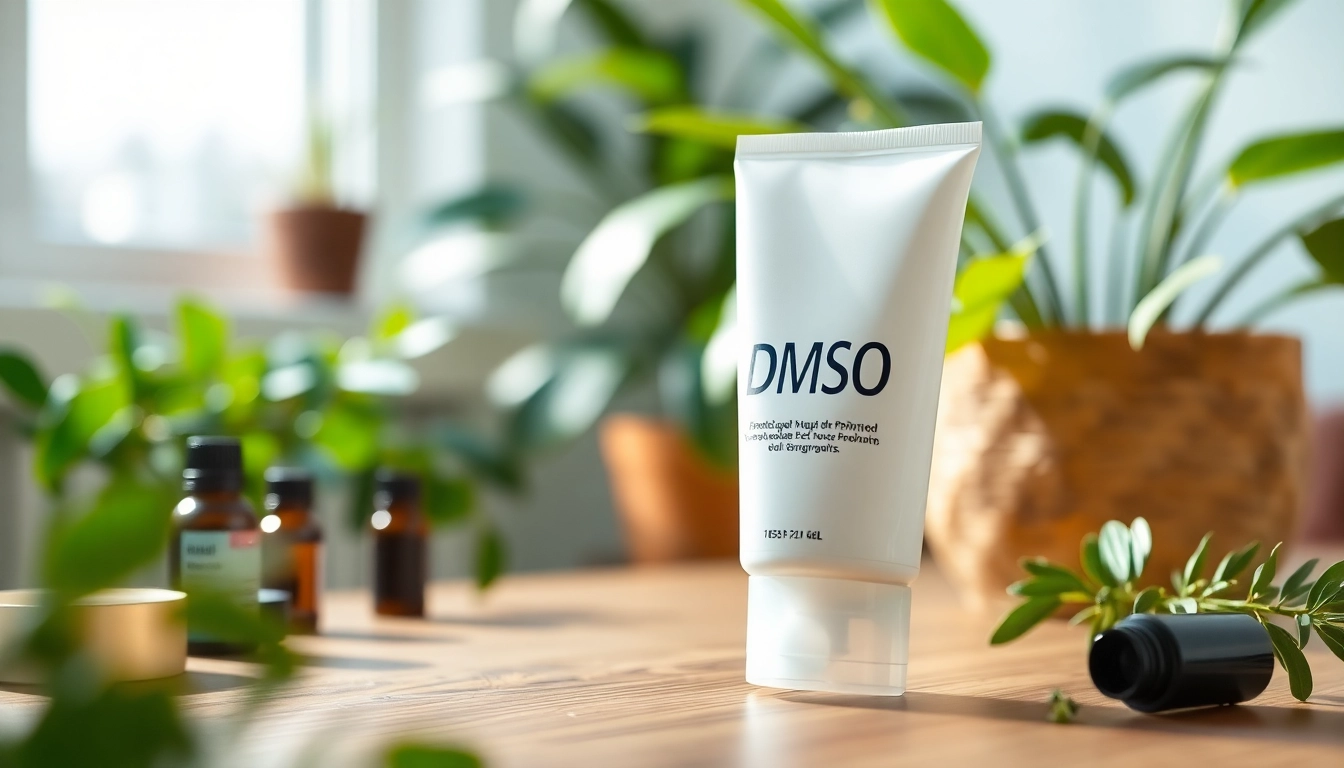
What is Dmso Gel?
Overview of Dmso Gel
DMSO Gel, short for Dimethyl Sulfoxide Gel, is a unique and versatile compound that has garnered attention for its various applications in health and wellness. This gel form allows for easy topical application, offering a means to potentially alleviate pain and inflammation directly at the source. Derived from wood pulp, DMSO is touted as a crucial solvent with the ability to penetrate biological membranes, making it a popular choice for therapeutic uses. For those interested in exploring the potential of DMSO gel, you can learn more about it at dmso gel resources.
Composition and Properties
The primary ingredient of DMSO gel is dimethyl sulfoxide, a colorless, odorless liquid that is both a solvent and a penetrating agent. With a molecular formula of C₂H₆OS, its chemical structure enables it to dissolve both polar and non-polar compounds. This dual solvation property enhances its effectiveness as a carrier for other medications, allowing for improved transdermal delivery. Furthermore, DMSO gel is known for its anti-inflammatory and analgesic properties, making it an appealing option for those seeking relief from a variety of ailments.
Historical Background of Dmso Gel
Discovered in the 19th century, DMSO was initially applied in industrial settings as a solvent. The medical community began to investigate its potential therapeutic benefits in the 1960s, particularly for conditions like arthritis and other inflammatory disorders. Over the decades, exploratory studies have shed light on its myriad applications, from pain relief to enhancing the efficacy of conventional medications and even in veterinary medicine for animals.
Health Benefits of Dmso Gel
Pain Relief Applications
DMSO gel is often celebrated for its analgesic properties. Individuals suffering from chronic pain conditions, such as arthritis, report significant reductions in discomfort when using this topical treatment. The mechanism of action involves its penetration-enhancing ability, which allows the gel to deliver therapeutic agents deeper into tissues, targeting pain at its source. Users have noted a decrease in pain levels following its application, largely due to its ability to inhibit the propagation of pain signals in the nervous system.
Anti-inflammatory Properties
The anti-inflammatory properties of DMSO gel can help minimize swelling in areas affected by trauma or chronic conditions. By reducing inflammation, it ultimately contributes to faster recovery times and improved mobility for those affected by musculoskeletal injuries or degenerative disorders. This makes DMSO gel especially beneficial for athletes who often sustain strains or injuries during rigorous physical activities.
Use in Athletic Recovery
Athletes have increasingly turned to DMSO gel as part of their recovery regimen. Its rapid absorption and anti-inflammatory effects allow for quicker healing of injuries, enabling athletes to return to their sport sooner. Case studies reveal that regular use post-exercise can effectively reduce delayed onset muscle soreness (DOMS) and promote healing in soft tissue injuries, making it an invaluable tool for maintaining peak performance levels.
Potential Risks and Side Effects of Dmso Gel
Common Reactions
Like any therapeutic agent, DMSO gel is not without its potential risks. Common reactions can include skin irritation, redness, and a burning sensation upon application. Some individuals may experience allergic reactions, particularly if they have sensitivities to sulfur-containing compounds. It is crucial to perform a patch test prior to widespread application to ensure tolerance.
Precautions for Use
When using DMSO gel, it is essential to follow specific guidelines to minimize adverse effects. Individuals should avoid contact with eyes and mucous membranes and refrain from applying it to broken skin. Furthermore, the simultaneous application of other topical agents with DMSO gel should be approached with caution, as it can enhance their absorption, potentially leading to unintended side effects.
Consultation with Healthcare Providers
To ensure safe and effective use, individuals should consult with healthcare providers before beginning treatment with DMSO gel, especially if they are pregnant, breastfeeding, or have underlying health conditions. Your healthcare provider can help assess the appropriateness of DMSO gel for your specific needs and suggest the best practices for application.
How to Use Dmso Gel Effectively
Best Application Techniques
To maximize the benefits of DMSO gel, apply it to clean, dry skin in the affected area. For best results, massage the gel gently into the skin, ensuring even coverage. Allow the gel to absorb completely before covering the area with clothing. It is advisable to limit the use of other topical treatments immediately before and after applying DMSO gel to avoid complications.
Dosage Guidelines
The dosage of DMSO gel can vary based on individual needs and the severity of the condition being treated. A common recommendation is to apply a thin layer of the gel 1-3 times per day, monitoring the skin's response. It's important to start with lower doses and adjust as needed, taking care to avoid excessive use.
Complementary Therapies
DMSO gel can be integrated into a comprehensive treatment plan that may include physical therapy, exercise, and dietary adjustments. Engaging in gentle stretching or rehabilitation exercises in tandem with DMSO gel application can amplify results. Always tailor treatments to individual needs and capabilities for optimal health outcomes.
FAQs About Dmso Gel
What is DMSO gel used for?
DMSO gel is used primarily for pain relief, reducing inflammation, and enhancing recovery in various conditions, including arthritis and sports injuries.
What happens if a human uses DMSO?
While DMSO can offer relief from pain and inflammation, potential side effects include skin irritation, allergic reactions, or enhanced absorption of other topical agents.
Can you put DMSO directly on your skin?
Yes, DMSO gel can be applied directly to the skin, but it should be done with caution, ensuring the skin is clean and intact to avoid adverse reactions.
Do you need a prescription to buy DMSO?
DMSO is typically available without a prescription; however, consultation with a healthcare provider is recommended before use.
Can DMSO gel be used for pets?
Yes, DMSO gel can be used in veterinary medicine to treat pain and inflammation in pets, but it should be administered under veterinary guidance.