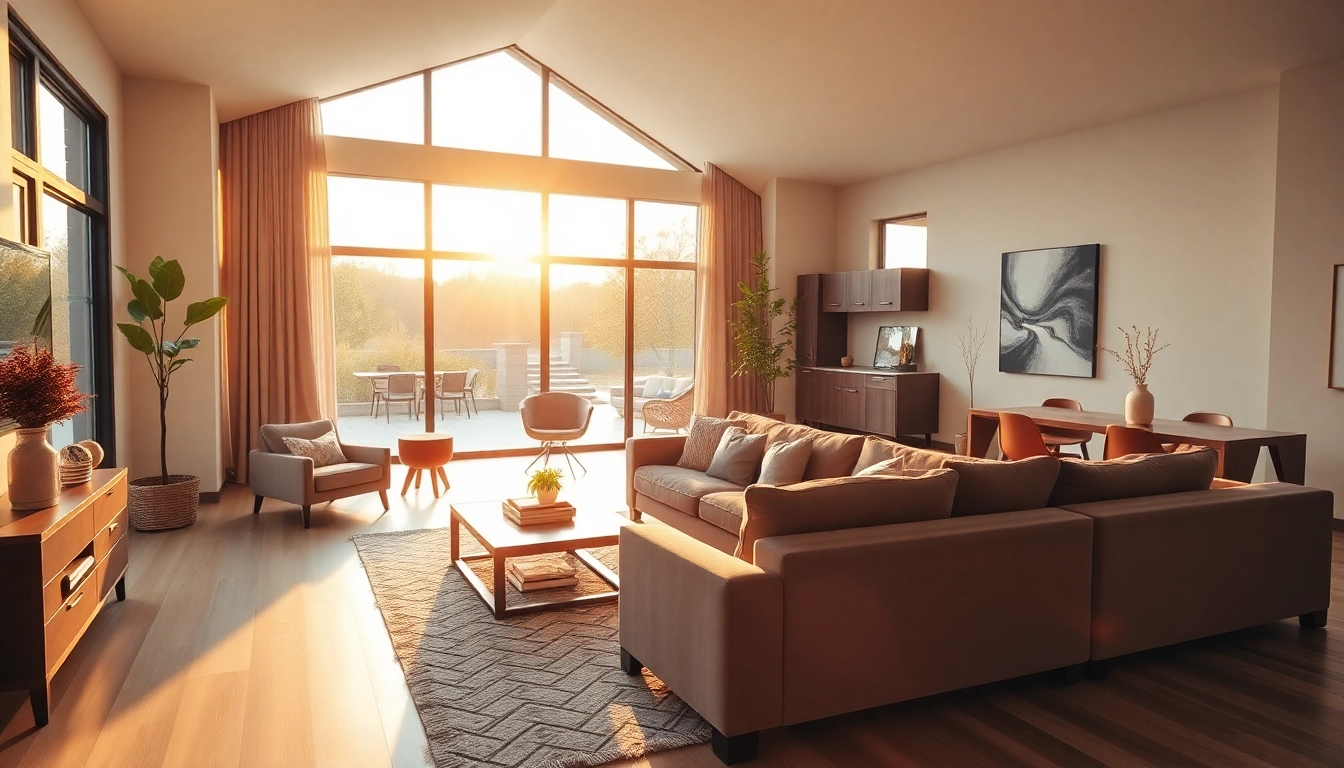
Understanding Real Estate Photography
In the competitive world of real estate, the presentation of a property can make all the difference in attracting potential buyers. Real Estate Photographer plays a crucial role in this process, providing high-quality visuals that significantly impact how a home is perceived in the market. Whether it’s capturing the architectural beauty of a space or emphasizing its unique features, professional photography ensures that listings stand out.
The Role of a Real Estate Photographer
A real estate photographer's primary responsibility is to create high-quality images that showcase properties for sale or rent. Unlike regular photography, real estate photography requires specialized skills and techniques that emphasize space, light, and composition. This role often extends beyond shooting; photographers must be adept at editing images to enhance details, correct colors, and ensure clarity. Their work not only improves the aesthetic appeal of a listing but also influences buyers’ perceptions, encouraging faster sales.
Benefits of Professional Photography
Investing in professional photography offers numerous advantages. Firstly, properties with high-quality images gain more traction online, leading to increased inquiries and viewings. Studies have shown that listings with professional photos sell 32% faster than those without. Moreover, striking visuals can elicit emotional responses, making potential buyers feel a connection to the home. This emotional engagement often translates to higher selling prices, sometimes even exceeding listings with average-quality images by thousands of dollars.
Different Styles and Techniques
Real estate photography encompasses a variety of styles and techniques to best showcase properties. Some commonly used approaches include:
- HDR Photography: High Dynamic Range photography captures various exposure levels to create images showcasing both the highlights and shadows within a space.
- Flambient Photography: A mix of flash and ambient light allows for balanced images that express the reality of the space without overexposed or underexposed areas.
- Aerial Photography: Drones can offer stunning overhead views that highlight a property’s location and surrounding features, providing potential buyers with a broader perspective.
- Twilight Photography: Capturing images during the twilight hour can create a warm, inviting atmosphere that enhances the visual appeal of a property, making evening listings more alluring.
Choosing the Right Real Estate Photographer
Selecting a skilled real estate photographer is pivotal for a successful property listing. Various factors must be considered to find the best fit for a particular listing or agency.
Qualities to Look For
When searching for a real estate photographer, keep an eye out for specific qualities that signal professionalism and expertise. Look for:
- Experience: Photographers with a portfolio that exhibits diverse properties and styles will likely understand how to capture unique aspects of your listing.
- Technical Proficiency: Knowledge of lighting, composition, and post-processing techniques ensures professional results.
- Strong Communication: A good photographer should communicate clearly, taking time to understand your needs and objectives.
- Reputation: Reviews and testimonials from past clients can offer insights into a photographer's reliability and quality of work.
Evaluating Portfolios
When evaluating potential photographers, scrutinizing their portfolios is vital. Look for:
- Diversity: Check if they showcase a variety of property types, from condos to luxurious estates.
- Consistency: Assess the quality of work across multiple shoots to gauge their reliability in producing high-caliber images.
- Editing Style: Ensure their editing aligns with your vision—some may prefer a natural look, while others lean toward more artistic editing.
Getting Recommendations and Reviews
Utilizing your network is essential in finding reliable services. Seek recommendations from real estate agents or fellow sellers who have had positive experiences with photographers. Online platforms can serve as an excellent resource for reviews and ratings, ensuring you choose a photographer with proven success.
Preparing for a Real Estate Photography Session
Preparation is an essential part of the photography process. Properly preparing a property can enhance its visual appeal and ensure the best possible images.
Staging Your Home
Home staging is vital for appealing photographs. This process involves rearranging furniture, decluttering spaces, and enhancing ambiance to create an inviting environment. It enables the photographer to highlight the property’s strengths while minimizing potential drawbacks. Engaging a professional stager can yield significant returns, as homes that are staged often sell faster and for higher prices than unstaged ones.
Best Times for Photography
Timing is crucial in real estate photography. Shooting during natural daylight provides the best lighting conditions, enhancing the property’s features and creating warm, inviting images. Early mornings or late afternoons (golden hour) can evoke a sense of tranquillity and warmth, resulting in captivating photographs.
Communicating with Your Photographer
Open communication with your photographer is essential for ensuring your vision is realized in the final images. Discuss specific angles, features to highlight, and any concerns beforehand. Share your expectations and provide insight into what you aim to achieve, fostering a collaborative atmosphere that benefits the final output.
Maximizing the Impact of Real Estate Photos
The ultimate goal of real estate photography is not simply to take beautiful images, but to utilize them effectively in marketing strategies that attract buyers.
Using Photos in Listings
Incorporating professional photos into listings is critical. High-quality images should be front and center on online platforms, capturing attention instantly. Listings with multiple images, including exterior, interior, and detail shots, can keep potential buyers engaged and interested in viewing the property.
Social Media Marketing Strategies
Social media is an invaluable tool for showcasing properties. Utilize platforms such as Instagram and Facebook to reach a larger audience. Share behind-the-scenes shots, stunning photographs, and even video tours to create a buzz around the listing. Hashtags and geo-tags can increase visibility and attract more viewers.
Creating Virtual Tours and Videos
As technology evolves, incorporating virtual tours and video walkthroughs has become an essential aspect of real estate marketing. These tools offer an interactive experience, allowing interested buyers to explore properties more thoroughly. Engaging videos can introduce the home and its features in a compelling way, drawing in potential buyers who may be hesitant to schedule in-person viewings.
FAQs about Real Estate Photography
What does a real estate photographer do?
A real estate photographer captures high-quality images of properties for sale or rent, ensuring they are visually appealing and accurately represent the space.
How much should I expect to pay for real estate photography?
The cost of real estate photography can vary significantly based on location, the photographer's experience, and the services provided, typically ranging from $100 to $500 per session.
What makes real estate photos stand out?
High-quality real estate photos stand out due to excellent lighting, composition, and editing. They capture the property's unique features while providing a sense of space and ambiance.
Do I need to stage my home before a photoshoot?
Yes, staging your home can dramatically improve its visual appeal, making it more inviting and ensuring that its best features are highlighted during the photoshoot.
How can I prepare my home for a photo session?
To prepare your home, declutter, tidy spaces, and consider staging furniture to create an open and inviting environment for the photography session.